

Robotics systems are designed to move with accuracy, repeatability, and control. Whether it is an industrial robot on an assembly line, a collaborative robot working alongside humans, or an autonomous mobile robot navigating a warehouse, friction plays a decisive role in how reliably that system performs. Friction for robots is not simply a mechanical side effect. It is a design parameter that directly influences precision, safety, energy efficiency, and long term reliability.
Engineers working in automation must account for static friction for robots as well as dynamic friction throughout the motion cycle. Static friction determines how smoothly a joint begins to move, while dynamic friction governs how predictably that motion continues. Poor friction control can cause stick slip behavior, positional error, excessive wear, and unstable control loops. As robots are increasingly deployed in high speed, high accuracy, and human facing environments, friction management has become a critical engineering challenge.
At ProTec Friction Group, we understand that friction in robotics requires a different approach than traditional industrial braking or clutch systems. Robotics applications demand tight tolerances, consistent friction behavior, low noise, and long service life. Drawing on decades of friction material expertise, ProTec supports robotics manufacturers and automation system designers with friction solutions engineered for precision motion rather than brute force.
Why Friction Matters More in Robotics Than Traditional Machinery
Unlike conventional industrial equipment, robotic systems rely heavily on feedback loops, sensors, and software driven motion control. Friction directly affects how accurately commands from the controller translate into physical movement.
In robotics, friction influences:
- Motion smoothness and repeatability
- Positioning accuracy
- Control loop stability
- Energy consumption
- Heat generation
- Component wear and maintenance intervals
Even small variations in friction can introduce errors that compound over time, especially in high precision applications such as electronics assembly, medical robotics, or semiconductor manufacturing.
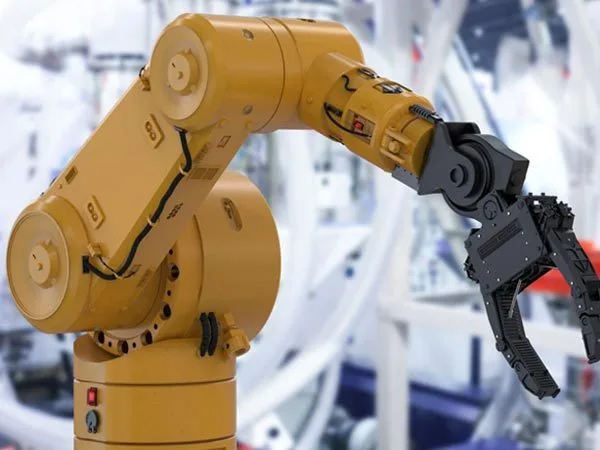
Understanding Static Friction for Robots
Static friction is the resistance that must be overcome to initiate movement between two surfaces. In robotics, static friction is particularly important at joints, bearings, linear guides, and drive systems.
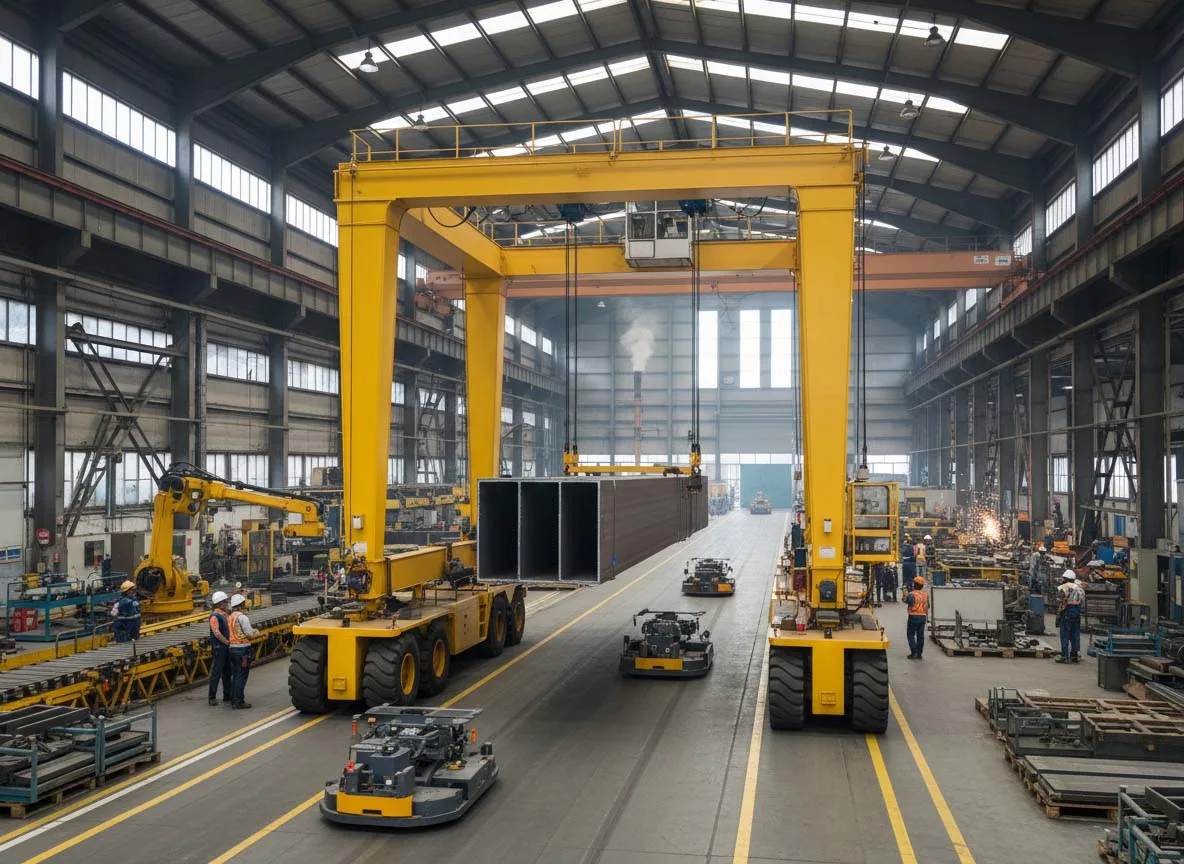
Why Static Friction Is Critical
High or inconsistent static friction can lead to delayed motion or sudden jumps when movement begins. This behavior, often referred to as stick slip, creates challenges for motion controllers and reduces positioning accuracy.
Effects of Poor Static Friction Control
- Jerky startup motion
- Overshoot and undershoot in positioning
- Increased wear on drive components
- Unstable feedback control
- Reduced repeatability
Robotic systems require static friction that is low enough to allow smooth initiation of motion, yet consistent enough to remain predictable over time.
Dynamic Friction and Continuous Motion Control
Once a robot is in motion, dynamic friction governs how smoothly it continues to move. Inconsistent dynamic friction can cause speed variation, vibration, and noise.
In robotics, dynamic friction must be:
- Stable across speed ranges
- Predictable under varying loads
- Consistent across temperature changes
- Compatible with control algorithms
Materials and surface treatments used in robotic joints and sliding interfaces are selected to maintain stable dynamic friction while minimizing wear.
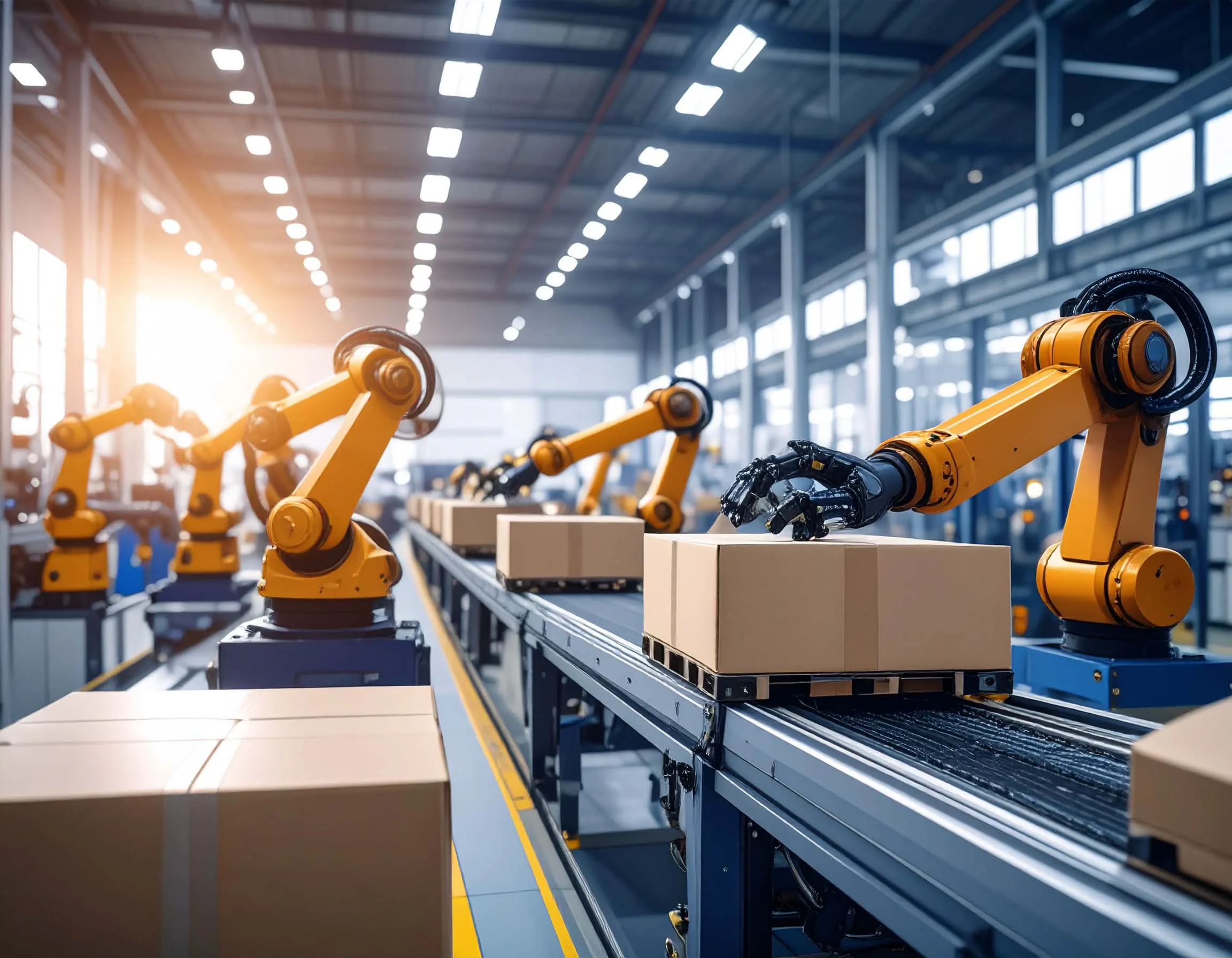
Key Robotic Components Affected by Friction
Friction influences nearly every moving element in a robotic system.
Rotary and linear actuators depend on controlled friction for smooth torque transmission and precise positioning.
Bearings and Bushings
Low and stable friction in bearings reduces energy loss, improves accuracy, and extends service life.
Linear Guides and Slides
Robots performing pick and place or inspection tasks rely on linear motion systems with minimal friction variation.
Precision gear systems are sensitive to friction changes that can affect backlash, efficiency, and heat generation.
End Effectors and Grippers
Controlled friction is essential for reliable gripping without damaging delicate parts.
Friction for Robots in Different Robotic Applications
Robotic systems vary widely in purpose, environment, and performance requirements. Each application places unique demands on friction behavior.
Used in welding, assembly, painting, and material handling. These robots require consistent friction over long duty cycles and high speed operation.
Collaborative Robots
Cobots work near humans and require smooth, predictable motion with minimal vibration and noise. Friction stability is essential for safety and compliance.
Mobile Robots and AGVs
Autonomous robots rely on friction control in wheel drives, suspension systems, and steering mechanisms for navigation accuracy.
High precision and low noise friction behavior is critical in surgical robotics and laboratory automation.
Semiconductor and Electronics Manufacturing
Ultra precise motion systems demand extremely low and consistent friction to maintain micron level accuracy.
Materials Commonly Used to Control Friction in Robotics
Selecting the right materials is central to effective friction management in robotic systems.
Materials such as PTFE based composites, UHMW polyethylene, and advanced thermoplastics offer low friction and excellent wear resistance.
Metal Alloys
Specialty steels, aluminum alloys, and bronze are used where strength and heat dissipation are required. These often rely on surface finishing or coatings to manage friction.
Fiber reinforced composites combine strength with controlled friction behavior, making them suitable for robotic joints and sliding components.
Carbon and Graphite Based Materials
Used in applications requiring natural lubricity and thermal stability.
The Role of Surface Engineering in Robotics Friction Control
Surface engineering is often as important as base material selection in robotics.
Common approaches include:
- Precision surface finishing and polishing
- Low friction coatings
- Surface texturing for lubrication retention
- Hardening treatments to reduce wear
Low friction coatings such as PTFE based coatings, molybdenum disulfide, ceramic coatings, and carbon based coatings are widely used to enhance robotic component performance without altering geometry.
Friction, Control Algorithms, and System Accuracy
Modern robots rely on advanced control algorithms to achieve precise motion. These algorithms assume predictable friction behavior.
Unstable friction can lead to:
- Control loop oscillation
- Increased tuning complexity
- Higher energy consumption
- Reduced throughput
By engineering friction to remain consistent, robotics designers simplify control strategies and improve overall system performance.
Wear, Friction, and Robotic Lifecycle Costs
Friction directly affects wear rates and maintenance frequency. In robotics, downtime is expensive and often disruptive to production schedules.
Proper friction engineering helps:
- Extend component life
- Reduce unplanned maintenance
- Maintain calibration over time
- Lower total cost of ownership
ProTec focuses on friction solutions that balance low resistance with long term durability, ensuring robots perform consistently throughout their lifecycle.
Environmental and Cleanroom Considerations
Many robotic systems operate in environments where contamination must be minimized.
Challenges include:
- Particulate generation from wear
- Lubricant migration
- Outgassing in cleanroom environments
Advanced friction materials and coatings help reduce particulate emissions and support clean operation in sensitive environments such as electronics and pharmaceutical manufacturing.
How ProTec Supports Friction Solutions for Robotics
ProTec Friction Group applies a system level approach to friction challenges in robotics.
Our capabilities include:
- Custom material formulation for robotic applications
- Evaluation of static and dynamic friction behavior
- Material pairing and surface compatibility analysis
- Wear and durability testing
- Support for both prototype and production systems
By working closely with robotics OEMs and automation designers, ProTec helps translate friction science into reliable motion performance.
The Future of Friction in Robotics
As robotics technology advances, friction requirements continue to evolve.
Emerging trends include:
- Higher speed and acceleration
- Increased power density
- Greater human robot interaction
- More autonomous operation
- Tighter precision tolerances
Meeting these demands requires friction materials that deliver consistency, durability, and predictability under increasingly complex operating conditions.
Conclusion
Friction is a foundational element of robotic system performance. From smooth startup motion to stable continuous movement, friction for robots must be engineered with precision. Understanding and controlling static friction for robots is essential for eliminating stick slip behavior and achieving accurate positioning. Across joints, bearings, and motion systems, managing friction in robotics directly impacts safety, efficiency, and reliability.
ProTec Friction Group brings decades of material science expertise to the robotics industry, helping manufacturers design systems that move with confidence and consistency. Through advanced materials, surface engineering, and application specific testing, ProTec delivers friction solutions tailored to the unique demands of modern robotics. Contact ProTec today to explore how our friction expertise can support your robotics applications.
Tags: Friction for Robots, Friction in Robotics, Static Friction for Robots