Precision Parts for Robotics: Laser vs. Waterjet Cutting for Robot Clutches, Brakes, and Friction Components

When manufacturing precision parts for robotics—including clutches for robots, brakes for robots, and friction for robots—choosing the right cutting technology is critical. Laser and waterjet cutting each offer distinct advantages for producing high-precision robotic components, and the optimal choice depends on your specific materials, thickness requirements, and performance specifications.

Protec and their manufacturing partners specialize in selecting and implementing the ideal cutting technology for your robotic applications, ensuring that every component meets the exacting standards required in modern robotics.
Understanding the Key Differences

laser-cutting

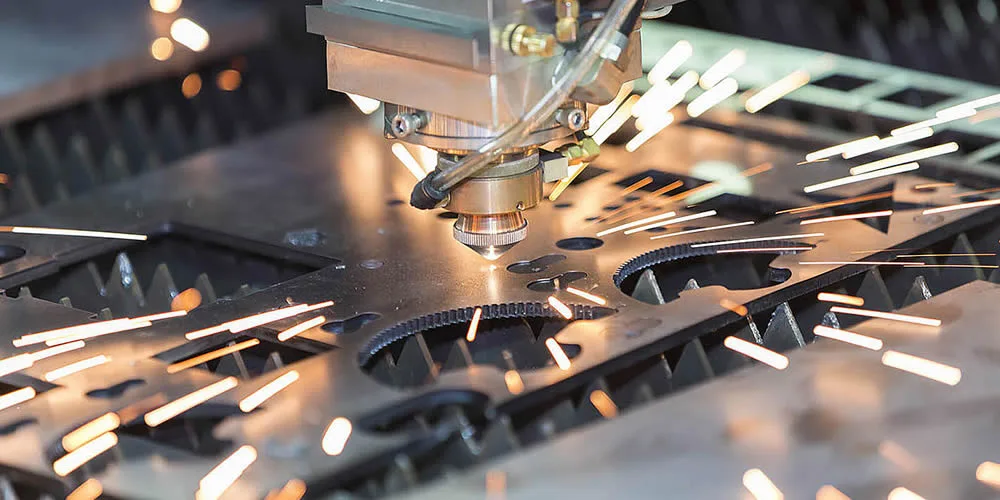
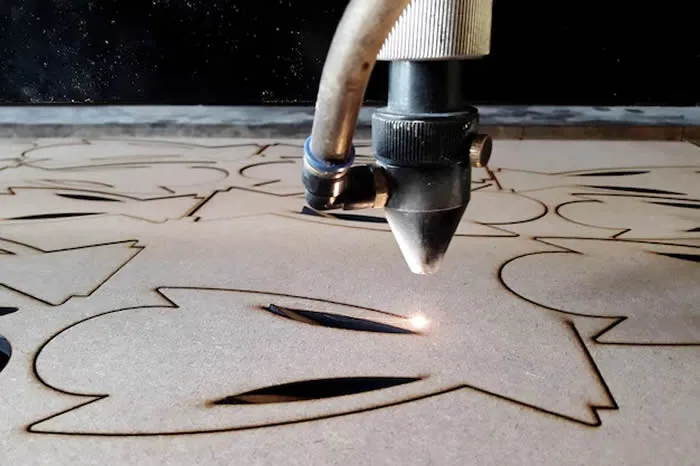
Laser cutting delivers exceptional speed and precision, particularly for thinner materials (typically up to 25mm for most systems). This technology produces clean edges with minimal burring on metals, operates at high speeds, and offers lower operating costs once installed. The heat-affected zone is relatively small but still present, which can alter material properties near the cut edge—an important consideration when manufacturing friction for robots or other heat-sensitive components. Lasers excel on steel, stainless steel, and aluminum, though fiber lasers have expanded capabilities to include reflective materials like copper and brass.

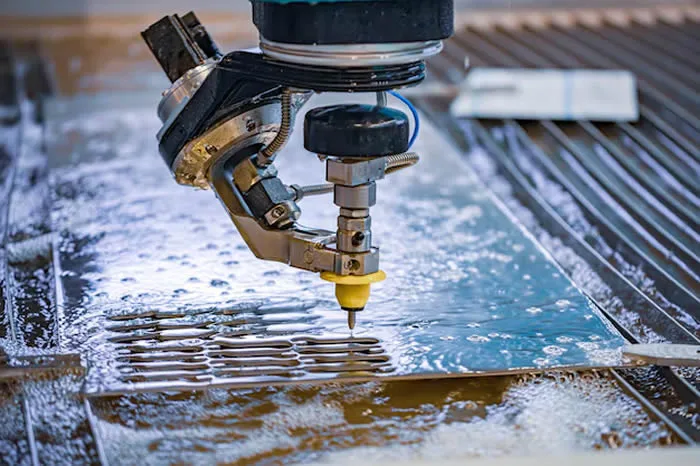
waterjet-cutting

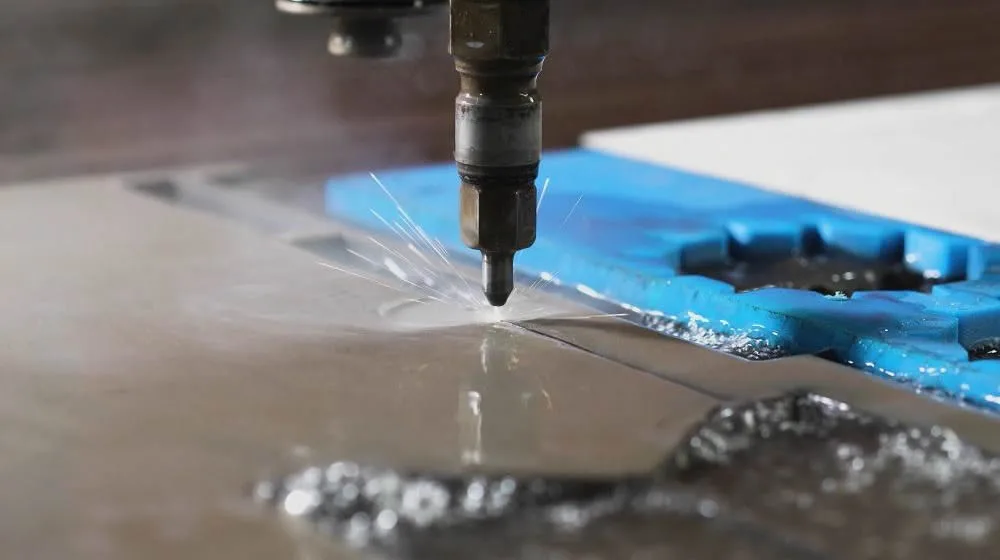
Waterjet cutting provides a cold-cutting process with no heat-affected zone whatsoever, making it ideal for precision parts for robotics where material integrity is paramount. This technology cuts through virtually any material: metals, glass, composites, rubber, and foam. Thickness capacity is substantially greater (can handle 150mm+ thicknesses), with zero material distortion from heat. Trade-offs include slower cutting speeds, higher operating costs (abrasive consumption, water treatment, nozzle wear), and edges that may require additional finishing compared to laser cuts on metals.

For brakes for robots and clutches for robots, the cold-cutting nature of waterjet technology can be particularly advantageous to preserve friction properties and prevent heat damage to critical performance characteristics. However, laser cutting offers faster production speeds for thinner metal components when heat effects don’t compromise functionality.

Laser Cutting for Robotic Components

Laser cutting delivers high-accuracy results for stainless steel, carbon steel, aluminum, and other materials in thicknesses from 0.5mm to heavy plate. Virtually any shape, no matter how intricate, can be produced—essential when manufacturing complex precision parts for robotics with exact tolerances.

The Laser Cutting Process

The process begins with CAD design, allowing engineers to create precise patterns for clutches for robots, brakes for robots, and other robotic components. Operators configure power, speed, and focus settings based on material type and thickness. The laser cutter follows the design pattern with exceptional precision, after which parts are cooled and cleaned. Post-processing may include deburring or protective coatings such as anodization.

Key Advantages for Robotics Manufacturing

  • High precision: Critical for precision parts for robotics requiring tight tolerances.
  • Material versatility: Suitable for various metals used in robotic applications.
  • Fast production: Ideal for both prototyping and high-volume production.
  • Clean cuts: Minimal post-processing required.
  • Smart nesting: Optimizes material usage and reduces costs.
  • CNC integration: Programmable for complex geometries.
laser-cutting-process

Laser cutting directs a high-powered laser through optics to cut materials for industrial applications. It’s more precise and less energy-consuming than plasma cutting, with an upper thickness limit of 25-50mm depending on material. The focused laser beam melts, burns, vaporizes, or blows away material with a jet of oxygen or nitrogen, producing clean components ideal for robotic assemblies.

Waterjet Cutting for Robotic Applications

Waterjet cutting offers unmatched versatility for manufacturing friction for robots, brakes for robots, and clutches for robots, where heat-sensitive materials or maximum material integrity is required.

The Waterjet Cutting Process

This precise cutting technology uses a high-pressure water stream (up to 94,000 psi) mixed with abrasive garnet particles. Water is converted into velocity through a tiny jewel orifice, creating a stream as fine as a human hair. When abrasive particles are added, cutting power increases by 1,000x, enabling the water and garnet mixture to exit at nearly four times the speed of sound—capable of cutting steel over one foot thick.

Key Advantages for Robotics Manufacturing

  • No heat-affected zone: Preserves material properties essential for friction for robots.
  • Material versatility: Cuts metals, composites, ceramics, and non-metallic materials.
  • Thick material capability: Handles materials 150mm+ in thickness.
  • No material distortion: Critical for precision parts for robotics with tight specifications.
  • Complex geometries: Computer-controlled cutting head enables intricate designs.
  • Hardened materials: Cuts hardened steel, titanium, and other challenging alloys.
waterjet-cutting-process

The cold-cutting nature makes waterjet technology particularly suitable for brakes for robots and clutches for robots where friction coefficients and material properties must remain unaltered by the manufacturing process.

right-technology

Choosing the Right Technology for Your Robotic Components

For manufacturers producing precision parts for robotics, the decision between laser and waterjet cutting depends on several factors:

  • Material sensitivity: Waterjet excels for heat-sensitive friction for robots.
  • Thickness requirements: Laser for thinner parts, waterjet for thick sections.
  • Production volume: Laser offers faster speeds for high-volume production.
  • Material type: Waterjet handles broader material range including composites.
  • Edge quality requirements: Laser provides superior edge finish on most metals.
  • Tolerance specifications: Both deliver precision suitable for robotic applications.

ProTec’s manufacturing partners have access to both fiber and CO2 lasers as well as advanced waterjet systems, ensuring optimal technology selection for every project—from initial prototyping through full production runs.

Applications in Robotics Manufacturing

These cutting technologies are widely employed in aerospace, automotive, and robotics industries to produce:

  • Clutches for robots: Precision-cut friction discs and engagement surfaces.
  • Brakes for robots: High-performance brake pads and rotors with consistent friction properties.
  • Friction for robots: Custom friction materials cut to exact specifications.
  • Structural components: Brackets, housings, and mounting plates.
  • Motion control parts: Gears, linkages, and actuator components.

Whether you need rapid prototyping or high-volume production of precision parts for robotics, selecting the appropriate cutting technology ensures optimal performance, material efficiency, and cost-effectiveness for your robotic applications.

Contact ProTec to discuss your brakes for robots, clutches for robots, and friction for robots requirements. Our expertise in both laser and waterjet cutting ensures your components meet the demanding specifications of modern robotics.

Contact Us for Catalogs & Pricing