

Every controlled stop, every smooth transition, and every precise movement in a mechanical system is powered by one essential principle—friction engineering. It is the silent force that ensures machines operate safely, vehicles respond predictably, and industrial systems maintain stability under pressure.
At ProTec Friction Group, we specialize in advanced Brake Friction Materials Engineering designed for real-world performance demands. Our work focuses on developing materials and systems that respond consistently under heat, pressure, and continuous operation.
Rather than treating friction as a basic mechanical function, we approach it as a science of controlled performance. Every solution we develop is designed to improve safety, reliability, and efficiency across industries where precision matters.
Call for advance brake friction materials engineering for modern industry: 1 (914) 244-3600
The Science Behind Brake Friction Materials Engineering
Friction is not a simple contact between surfaces. It is a carefully balanced interaction of materials, energy, and resistance. In braking systems, this interaction determines stopping distance, heat generation, wear rate, and overall system stability.
Effective Brake Friction Materials Engineering requires deep technical understanding of:
- Thermal resistance and heat dissipation
- Surface interaction under pressure
- Wear behavior across repeated cycles
- Stability of friction coefficients
- Mechanical bonding and material integrity
At ProTec Friction Group, we design materials that maintain predictable behavior even under extreme operating conditions. This ensures that braking systems perform consistently, whether in industrial machinery, transportation systems, or specialized mechanical applications.
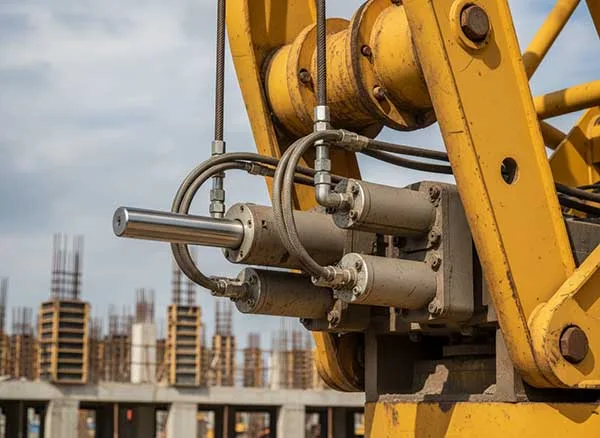
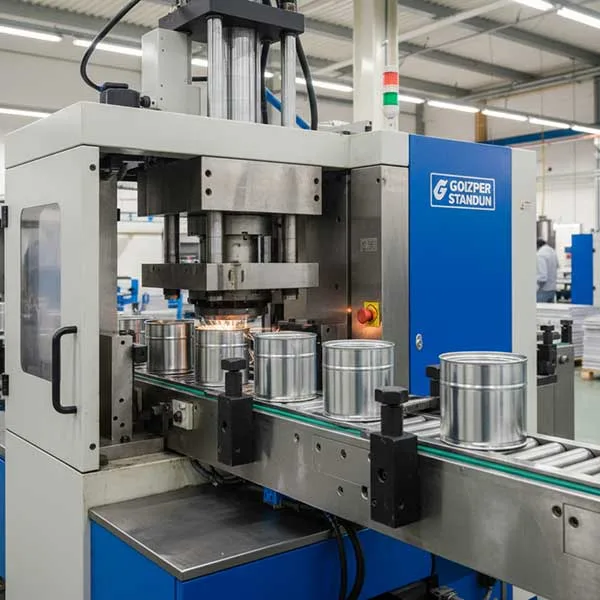
Non Asbestos Brake Friction Material for Modern Safety Standards
As industries evolve, so do safety and environmental requirements. One of the most important advancements in friction technology has been the development of safer, more sustainable materials.
Our Non Asbestos Brake Friction Material solutions are engineered to meet modern compliance standards while maintaining high performance.
These materials are designed to:
- Eliminate hazardous asbestos content
- Deliver stable friction performance under load
- Withstand high-temperature braking conditions
- Reduce environmental and health risks
- Maintain long-term durability in demanding applications
Transitioning away from asbestos-based materials is not just a regulatory requirement—it is a commitment to safer engineering practices. Our formulations are developed to ensure that performance is never compromised while safety standards are fully met.
Friction Bearing Material Designed for Mechanical Efficiency
In many mechanical systems, friction is not only about braking—it also plays a critical role in controlled movement and load management. Bearings, in particular, rely on carefully engineered friction properties to function effectively.
Our Friction Bearing Material solutions are designed to provide:
- Controlled resistance for smooth motion
- Reduced mechanical wear under continuous use
- Stability under varying load conditions
- Consistent performance in rotating systems
- Extended service life for critical components
By optimizing material composition, we ensure that bearings operate efficiently while minimizing energy loss and mechanical stress. This contributes to improved system reliability and reduced maintenance requirements over time.
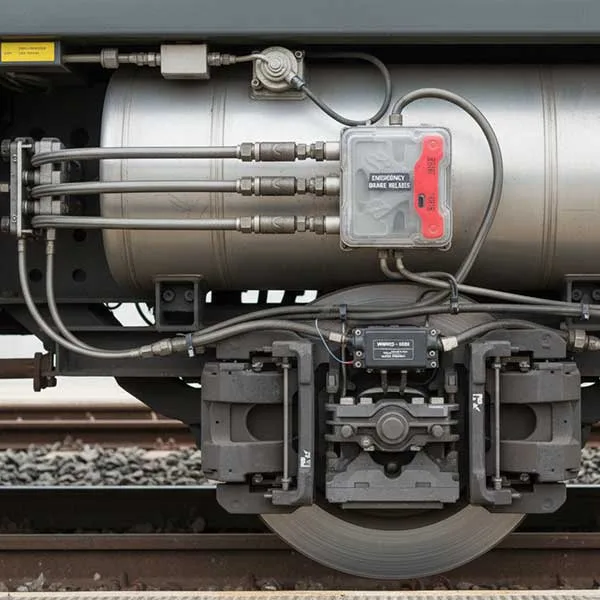
Understanding Friction in Motion Systems and Specialized Applications
Friction is not limited to industrial braking or heavy machinery. It also plays a role in precision applications where controlled resistance is essential.
One such example is Friction Shifting Bike systems, where controlled friction allows smooth gear transitions and responsive performance.
While seemingly different from industrial applications, the underlying engineering principles remain similar:
- Controlled engagement and disengagement
- Consistent resistance under motion
- Precision material interaction
- Durability under repeated use cycles
At ProTec Friction Group, we study friction behavior across multiple applications to refine our engineering approach and improve overall material performance.
A Design Philosophy Built on Real-World Performance
Engineering friction materials is not a theoretical exercise. Every product must perform reliably under real operating conditions where temperature, pressure, and mechanical stress constantly change.
Our Brake Friction Materials Engineering process follows a structured development cycle:
- Application Analysis – Understanding how and where the material will be used
- Material Selection – Choosing compounds based on thermal and mechanical properties
- Prototype Development – Creating test samples for controlled evaluation
- Performance Testing – Simulating real-world stress conditions
- Optimization – Refining composition for improved stability and durability
This process ensures that every solution we deliver is engineered for consistency, not just theoretical performance.

Why Material Composition Defines Performance
In friction engineering, even small variations in material composition can significantly affect performance outcomes. This is why precision in formulation is critical.
Our materials are engineered to:
- Maintain stable friction coefficients under heat
- Resist glazing and surface degradation
- Provide consistent wear characteristics
- Support long-term operational stability
- Perform reliably across environmental conditions
This level of control allows us to deliver products that meet the demands of high-performance systems across multiple industries.
Industries That Rely on Advanced Friction Engineering
Our solutions are trusted in industries where performance, safety, and reliability cannot be compromised.
These include:
- Industrial manufacturing systems
- Heavy-duty transportation equipment
- Rail and logistics systems
- Automotive and performance engineering
- Specialized mechanical and rotational systems
Each industry presents unique challenges, and our engineering approach is designed to adapt accordingly.
The Role of Non-Asbestos Innovation in Modern Systems
The shift toward Non Asbestos Brake Friction Material represents more than compliance—it reflects a broader transformation in engineering priorities.
Modern systems require materials that are:
- Safer for operators and environments
- Stable under high thermal loads
- Consistent across long service intervals
- Compatible with evolving regulatory standards
Our formulations are designed to meet these expectations without sacrificing performance, ensuring that safety and efficiency work together seamlessly.
Engineering Reliability That Reduces Operational Risk
Unpredictable friction behavior can lead to system inefficiencies, increased downtime, and safety concerns. That is why reliability is central to our engineering process.
By focusing on Brake Friction Materials Engineering, we help organizations:
- Improve system predictability
- Reduce maintenance frequency
- Extend equipment lifespan
- Enhance operational safety
- Optimize mechanical efficiency
Reliable friction performance directly contributes to better overall system management.
A Partner in Advanced Friction Innovation
At ProTec Friction Group, we do more than manufacture materials—we collaborate with industries to solve complex engineering challenges.
Our team works closely with clients to understand operational requirements and deliver solutions that align with performance goals. This collaborative approach ensures that every material is purpose-built for its application.
We view friction engineering as an evolving discipline, one that requires continuous improvement, research, and adaptation.
Let’s Build Better Friction Systems Together
If your systems depend on precision braking, controlled motion, or advanced mechanical stability, the quality of your friction materials plays a defining role in performance.
At ProTec Friction Group, we are committed to advancing Brake Friction Materials Engineering, developing safer Non Asbestos Brake Friction Material, improving Friction Bearing Material technology, and supporting specialized applications such as Friction Shifting Bike systems.
Call Now: 1 (914) 244-3600 to connect with our engineering team today and explore how advanced friction technology can elevate your system performance.
Frequently Asked Questions (FAQ)
- What is brake friction materials engineering?
It is the science of designing and developing materials that control braking performance, heat resistance, and wear behavior. - Why is non asbestos brake friction material important?
It provides safer, environmentally compliant alternatives without compromising braking performance or durability. - Where is friction bearing material used?
It is used in mechanical systems requiring controlled motion, reduced wear, and stable rotational performance. - What is friction shifting bike technology?
It refers to controlled friction systems that enable smooth and precise gear shifting in mechanical or cycling systems. - Do you offer customized friction solutions?
Yes, we design and engineer friction materials based on specific application and performance requirements.
Tags: Brake Friction Materials Engineering, Friction Bearing Material, Friction Shifting Bike, Non Asbestos Brake Friction Material