

Braking technology has evolved significantly over the past century, yet the fundamental principle remains the same: controlled friction slows motion. Whether in passenger vehicles, commercial fleets, or industrial transport systems, brake assemblies rely on engineered friction materials and precisely designed components to convert kinetic energy into heat safely and efficiently.
At Protec Friction Group, friction performance is engineered with purpose. Understanding how disc brakes use replaceable friction material and how drum brake components function together provides clarity into what makes a braking system dependable, durable, and responsive.
This guide breaks down disc brake components, drum brake components, and the essential role of vehicle components brake drum assemblies in modern transportation systems.
The Core Function of a Braking System
When a vehicle is in motion, it carries kinetic energy. The braking system’s role is to transform that energy into heat through friction. This transformation must occur smoothly, predictably, and repeatedly under varying loads and environmental conditions.
Two primary braking designs dominate the automotive and industrial markets:
- Disc brake systems
- Drum brake systems
Each design relies on friction materials engineered to withstand pressure, heat, and repeated engagement cycles.
How Disc Brakes Work
Disc brakes operate using a rotor (disc) attached to the wheel hub. When the driver applies the brake pedal, hydraulic pressure forces brake pads against both sides of the spinning disc. The resulting friction slows rotation.
One of the most important design advantages is that disc brakes use replaceable friction material. Brake pads can be removed and replaced without changing the entire assembly. This design simplifies maintenance and ensures long-term serviceability.
Because disc systems expose the rotor to open air, they generally dissipate heat more effectively than enclosed systems. Improved heat management reduces the likelihood of brake fade during repeated or high-speed stops.
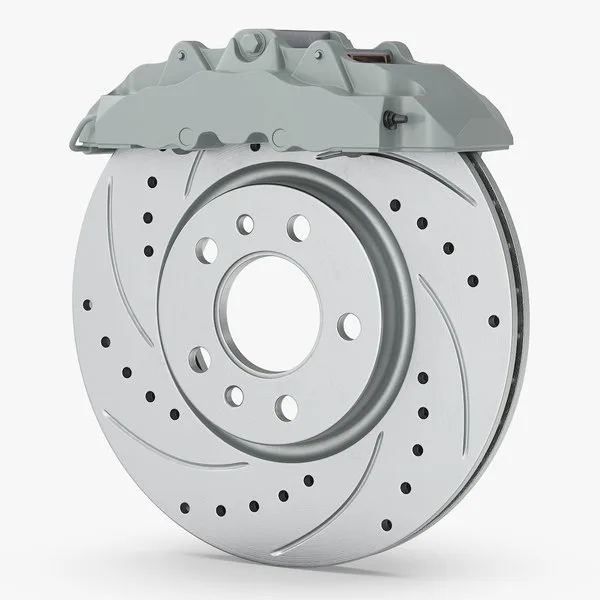
Key Disc Brake Components
Understanding disc brake components helps clarify how the system achieves consistent performance.

- Brake Rotor (Disc)
The rotor is the circular metal disc mounted to the wheel hub. It rotates with the wheel and provides the surface against which the brake pads apply pressure. - Brake Pads
Brake pads contain engineered friction material bonded to a backing plate. Since disc brakes use replaceable friction material, pads are designed for straightforward removal and replacement once worn. - Caliper Assembly
The caliper houses pistons that apply pressure to the brake pads. When hydraulic force increases, the pistons press the pads against the rotor. - Hydraulic System
Brake fluid transmits pedal force into hydraulic pressure, ensuring consistent engagement. - Mounting Brackets and Hardware
Support components secure the caliper and ensure alignment during operation.
Each element must function precisely. Misalignment, uneven wear, or material inconsistency can affect braking efficiency and longevity.
Protec Friction Group develops friction materials engineered to integrate seamlessly within disc brake components, ensuring reliable performance under real-world operating conditions.
Why Replaceable Friction Material Matters
Disc brakes use replaceable friction material to improve serviceability and cost efficiency. Instead of replacing an entire brake assembly, only the worn friction pads require replacement.
Benefits include:
- Lower maintenance costs
- Faster service intervals
- Reduced downtime
- Consistent braking performance
Because brake pads experience the highest wear rate within the system, replaceability allows the core structural components to remain intact while refreshing the friction surface.
This design approach emphasizes the importance of friction material quality. The pad compound must maintain performance stability across temperature cycles, load variations, and environmental exposure.

How Drum Brakes Operate
While disc brakes dominate front-wheel applications in many vehicles, drum systems remain widely used, particularly in rear-wheel and heavy-duty applications.
A drum brake system uses a cylindrical drum attached to the wheel. Inside the drum, brake shoes expand outward when hydraulic pressure is applied. The friction lining on the shoes presses against the interior surface of the rotating drum, slowing the wheel.
Unlike disc systems, drum brake components operate within an enclosed housing. This design provides certain advantages, including strong holding power and simplified parking brake integration.
Key Drum Brake Components
To understand the operation fully, it is important to identify the primary drum brake components.
1. Brake Drum
The brake drum is a circular metal housing attached to the wheel hub. It rotates with the wheel and serves as the contact surface for the brake shoes.
2. Brake Shoes
Brake shoes are curved components lined with friction material. When expanded, they press outward against the drum’s inner surface.
3. Wheel Cylinder
The wheel cylinder converts hydraulic pressure into mechanical force, pushing the brake shoes outward.
4. Return Springs
These springs retract the brake shoes once pressure is released, preventing continuous contact.
5. Adjuster Mechanism
The adjuster maintains proper spacing between shoes and drum as wear occurs.
Each of these drum brake components must operate harmoniously to ensure balanced braking force.
The Role of Vehicle Components Brake Drum Assemblies
Vehicle components brake drum assemblies remain common in commercial vehicles and heavy-duty systems. Their enclosed design provides strong mechanical leverage and reliable holding performance.
Advantages include:
- Effective parking brake integration
- High durability in heavy-load applications
- Lower production cost in certain vehicle classes
However, drum systems may retain heat longer than disc systems due to reduced airflow. This characteristic increases the importance of properly engineered friction material capable of maintaining stable performance under thermal stress.
Protec Friction Group develops friction linings designed specifically for both disc and drum applications, ensuring consistent engagement, durability, and heat resistance.


Engineering Friction for Modern Vehicles
Modern vehicles operate at higher speeds and under stricter safety standards than ever before. Friction materials must perform reliably in:
- Urban stop-and-go traffic
- Highway driving conditions
- Heavy-load transport
- Variable climate environments
Protec Friction Group engineers friction materials that align with both disc brake components and drum brake components, ensuring optimal balance between stopping power, wear resistance, and thermal stability.
Material composition plays a critical role. Advanced compounds incorporate reinforcement fibers, metallic additives, and specialized bonding agents to deliver predictable friction response.
Maintenance Considerations for Brake Systems
Routine inspection and timely replacement of friction materials are essential for maintaining braking performance.
Signs of wear may include:
- Reduced stopping responsiveness
- Unusual noise
- Vibrations during braking
- Visible scoring on rotors or drums
Because disc brakes use replaceable friction material, servicing is often more straightforward. Drum brake components may require periodic adjustment to maintain optimal spacing.
Proactive maintenance ensures that both disc and drum systems operate within safe performance parameters.

Frequently Asked Questions (FAQ)
- Why do disc brakes use replaceable friction material?
Disc brake pads wear down during operation. Replaceable friction material allows technicians to restore braking performance without replacing the entire assembly. - What are the main disc brake components?
Key components include the brake rotor, brake pads, caliper assembly, hydraulic system, and mounting hardware. - What are the essential drum brake components?
Drum brake components include the brake drum, brake shoes, wheel cylinder, return springs, and adjuster mechanism. - Are drum brakes still used in modern vehicles?
Yes. Vehicle components brake drum systems are commonly used in rear-wheel assemblies and heavy-duty applications where strong holding force is beneficial. - Which system offers better performance?
Disc brakes typically provide superior heat dissipation and consistent performance during repeated stops, while drum brakes offer durable holding strength and cost efficiency in certain applications.
Final Thoughts
Disc and drum brake systems represent two proven approaches to controlled friction. Disc brakes use replaceable friction material to enhance serviceability and heat management, while drum brake components provide dependable mechanical leverage in enclosed assemblies.
Both systems rely on precisely engineered friction materials to function effectively. The interaction between pads or shoes and their respective contact surfaces determines stopping performance, durability, and safety.
Protec Friction Group focuses on developing friction materials designed to integrate seamlessly within disc brake components and vehicle components brake drum assemblies. Through engineered compounds and performance-focused design, braking systems achieve reliable operation across diverse driving conditions.
In every braking event, friction performs the critical task of converting motion into controlled deceleration. When that friction is engineered with precision, performance follows.
Tags: Disc Brakes Components, Disc Brakes Use Replaceable Friction Material, Drum Brake Components, Vehicle Components Brake Drum