

When a braking system has to perform repeatedly under real-world conditions, the smallest component decision can become an important part of the larger performance equation. A drum brake does not operate through one isolated part; it depends on friction materials, mechanical components, mating surfaces, and supporting hardware working together under load, heat, and repeated cycles. Choosing the right components therefore requires more than finding a part that appears to fit.
At ProTec Friction Group, the focus is on understanding the friction and application requirements behind the component. Whether you are developing a braking system, sourcing replacement components, reviewing an existing design, or addressing a performance concern, the right starting point is understanding what the application actually demands. The objective is straightforward: help you make a more informed decision about the Brake Drum Components used in your application, with attention to the operating conditions and performance requirements that matter.
Have a brake component requirement to discuss? Call ProTec Friction Group at 914-244-3600 or submit your application details to start the conversation.
When the Right Brake Component Matters
A drum brake may look relatively simple compared with other braking technologies, but its performance depends on a coordinated interaction between multiple components. When the brake is applied, friction is generated between the braking surfaces, converting the energy of rotation into heat and allowing the moving system to slow down. That process occurs repeatedly, often under changing loads and temperatures.
Every component involved must therefore perform its intended function while remaining compatible with the rest of the assembly. Friction surfaces must interact appropriately, mechanical components must respond as intended, and the complete system must tolerate the conditions created during operation.
For manufacturers and engineers, this means Drum Brake Parts should be evaluated according to the application rather than selected solely by general description or dimensional compatibility. A component can fit physically and still require closer consideration from a performance standpoint. The better question is whether the component is appropriate for the conditions in which the complete braking system will operate.

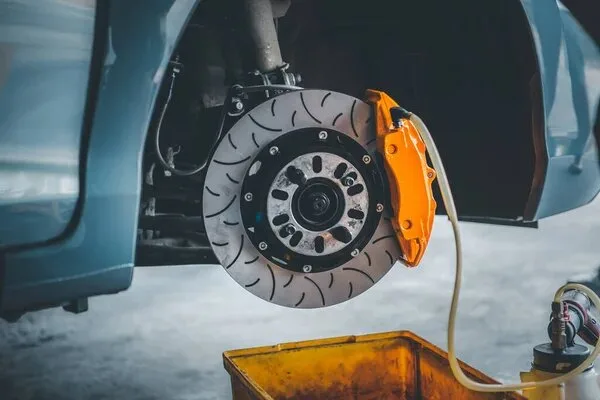
A Drum Brake System Is More Than a Collection of Parts
The performance of a Drum Brake System comes from the relationship between its components. Brake shoes, friction materials, drums, springs, adjusters, actuating mechanisms, and other supporting elements can all contribute to how the system engages, generates friction, releases, and responds over repeated use. This is why component selection should be considered within the context of the complete system.
An application operating under frequent braking cycles may place different demands on its components than one experiencing occasional use. Higher loads, greater speeds, elevated temperatures, environmental exposure, or extended duty cycles can introduce additional considerations that may not be apparent from the component specification alone. A thoughtful selection process starts by understanding those conditions before narrowing down the appropriate component requirements. That approach is particularly valuable when the application is new, the operating environment has changed, or an existing braking system is not delivering the expected performance.
The Friction Material Is Central to the Equation
At the center of a drum brake application is controlled friction. When the braking surfaces come into contact, friction creates the resistance needed to reduce rotational movement. The challenge is achieving the appropriate friction behavior consistently while managing the heat and wear associated with repeated operation.
This is where material selection becomes an important part of the overall component decision. The objective is not simply to maximize friction. A braking system needs friction characteristics that are appropriate for its intended function and operating conditions. Excessive or inconsistent friction behavior can create its own challenges, while insufficient or poorly controlled friction may affect the system’s ability to perform as intended.
For this reason, Brake Drum Components should be considered in relation to the friction requirements of the application, the mating surfaces involved, and the conditions under which the system will operate. ProTec Friction Group brings that friction-focused perspective to the conversation, helping customers look beyond the individual part and consider the application that gives the part its purpose.
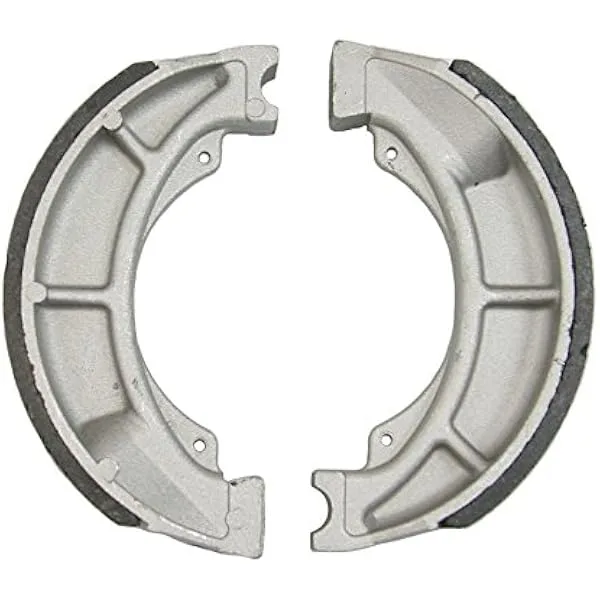
Selecting Drum Brake Parts With the Application in Mind
A component selection decision becomes more meaningful when it begins with the actual operating environment. How often will the brakes engage? What loads will the system experience? What speeds are involved? How much heat may be generated during operation? Will the components be exposed to moisture, dust, oils, or other environmental conditions? What level of service life and consistency does the application require? These questions can help establish a clearer picture of what the component needs to accomplish.
For a procurement professional, this information can help create a more useful supplier discussion. For an engineer, it can provide a stronger foundation for evaluating materials and component compatibility. For a manufacturer, it can help connect the component choice to the performance expectations of the finished product. The more clearly the application is understood, the easier it becomes to determine which Drum Brake Parts deserve consideration.
Why Assembly-Level Compatibility Deserves Attention
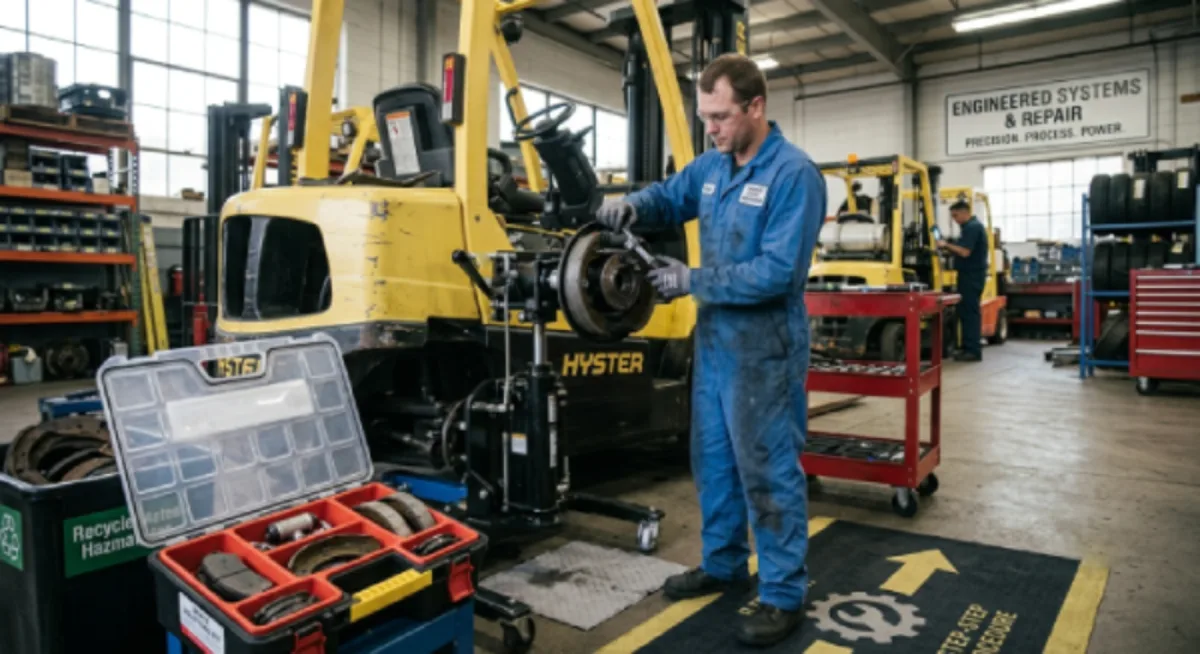
A Drum Brakes Assembly is a coordinated mechanical system, which means the suitability of one component can depend on its interaction with several others. A friction element may have appropriate characteristics on its own, but its performance still depends on the surface with which it interacts. Mechanical hardware may meet dimensional requirements, but its role within the assembly can affect engagement and release. Similarly, changes to one component can alter the way other parts behave during operation.
This interconnected nature is one reason a complete application review can be more valuable than simply replacing an individual part based on its name or general classification. When the objective is dependable system performance, compatibility needs to be considered at the assembly level. ProTec Friction Group can help customers frame that discussion around the application, the operating environment, and the role each component is expected to perform.
When Existing Components Raise Questions
Sometimes the need for a new component is obvious because a new product or braking system is being developed. In other cases, the need appears after an existing system begins to show signs that something needs closer attention. Unusual wear, inconsistent engagement, excessive heat, changing friction behavior, or unexpected service requirements can all prompt a review of the braking components. Those symptoms do not automatically point to one particular cause, which is why replacing a part without understanding the application may not address the underlying issue.
A better approach is to examine the operating conditions and the relationship between the components involved. If your existing Drum Brake System is presenting a recurring performance concern, discussing the application with a friction-focused supplier can help identify which factors deserve further evaluation.
Call ProTec Friction Group at 914-244-3600 to discuss an existing component, a new application, or a specific braking requirement.
Why ProTec Friction Group?
When a component contributes directly to braking performance, selecting a supplier is about more than locating an available part. The supplier should understand why the component is being used, what conditions it will encounter, and which performance characteristics are important to the application. ProTec Friction Group is focused on friction-related requirements, allowing the conversation to remain centered on the technical relationship between materials, components, and operating conditions.
That perspective can be particularly useful when a customer is not simply looking for a generic replacement but is evaluating a specific application, comparing component requirements, or trying to understand why an existing solution is not producing the expected result. The goal is not to complicate the purchasing process. It is to make the conversation more relevant. Rather than beginning with a product label, the discussion can begin with the application and work toward the component requirements that follow from it.

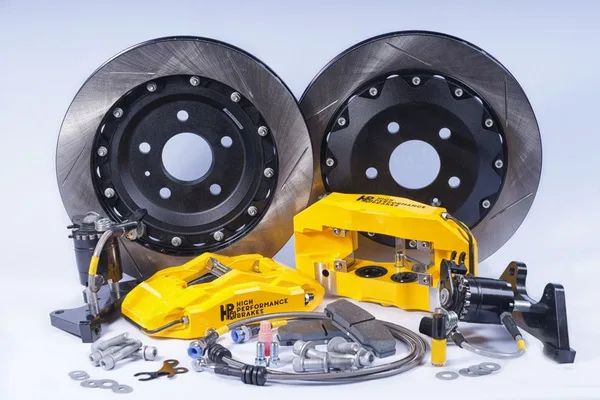
A Better Way to Approach Your Next Component Decision
If you are responsible for purchasing, engineering, manufacturing, or maintaining a braking application, you already know that a component decision can have consequences beyond the part itself. An unsuitable selection may affect maintenance requirements, system consistency, production decisions, or the performance expectations of the finished equipment.
That is why it can be worthwhile to address the application requirements before finalizing the component. You do not necessarily need to have every technical detail resolved before beginning the conversation. Information about the equipment, current component, operating conditions, performance concern, or intended use can provide a useful starting point. From there, the relevant questions can be identified and the component requirements can be considered in context.
If you are sourcing Brake Drum Components or evaluating Drum Brake Parts, call 914-244-3600 and tell ProTec Friction Group what your application requires.
What Makes a Component Decision More Informed?
The strongest component decisions usually come from understanding several factors together rather than focusing on one specification. The mechanical design establishes the role of the component. The operating environment determines the conditions it must withstand. The friction requirements influence the interaction between surfaces. The duty cycle affects how frequently those demands occur. Temperature, load, speed, and wear expectations add further context.
Looking at those elements together provides a more realistic picture of what the component needs to accomplish. For customers evaluating a Drum Brakes Assembly, this broader perspective can also help clarify whether the focus should remain on an individual part or whether the complete system deserves review. That distinction can save time by directing attention toward the factors that are most relevant to the actual application.
Frequently Asked Questions
- What are Brake Drum Components?
Brake Drum Components are the individual elements that work together within a drum braking arrangement. Depending on the design, they may include friction elements, brake shoes, drums, springs, adjusters, actuating hardware, and other components that support engagement, braking, and release. - What is a Drum Brake System?
A Drum Brake System is a braking arrangement in which friction is generated between braking surfaces associated with a rotating drum. The resulting resistance helps reduce rotational movement, while the complete system relies on multiple components working together to achieve the intended braking function. - What should I consider when choosing Drum Brake Parts?
Consider the complete operating environment rather than looking only at dimensions or general product descriptions. Load, speed, temperature, duty cycle, friction requirements, expected wear, mating surfaces, environmental exposure, and compatibility with surrounding components can all influence the selection. - Why does friction material matter in a drum brake?
Friction material directly influences the interaction between the braking surfaces. Its characteristics can affect how the system generates friction, responds to operating temperatures, experiences wear, and behaves during repeated braking cycles, making material selection an important part of the overall system evaluation. - What is included in a Drum Brakes Assembly?
The exact configuration varies by application and design, but a Drum Brakes Assembly may incorporate the drum, brake shoes or friction elements, springs, adjusters, actuating components, and other supporting hardware required for the system to operate. - When should I review my existing brake components?
A review may be appropriate when a braking system is being redesigned, a new application is being developed, an alternative component is being considered, or the existing system is showing concerns involving wear, heat, engagement, consistency, or service requirements. - Can ProTec Friction Group discuss application-specific requirements?
Yes. Application details are important when evaluating Brake Drum Components and related friction requirements. You can call 914-244-3600 to discuss your application, current component, operating conditions, or specific performance concern with ProTec Friction Group.
A brake component should never be viewed only as a part number or replacement item when its performance contributes to the operation of the complete braking system. The application determines the demands, the system determines the interaction, and the component must be appropriate for both. That is the thinking behind an application-focused approach to Brake Drum Components and Drum Brake Parts.
Whether you are developing a new product, sourcing components for production, reviewing an existing Drum Brake System, or evaluating a complete Drum Brakes Assembly, ProTec Friction Group can provide a focused starting point for the conversation. You can bring the application, the challenge, or simply the component requirement. The important first step is opening the discussion before the wrong assumption becomes the final specification.
Call ProTec Friction Group at 914-244-3600 to discuss your brake component requirements.
Tags: Brake Drum Components, Drum Brake Parts, Drum Brake System, Drum Brakes Assembly