

Modern transmissions operate under extreme mechanical and thermal stress. From heavy duty industrial gearboxes to commercial vehicle drivetrains, consistent friction behavior is critical for smooth shifting, torque transfer, and component longevity. A Transmission Friction Modifier is engineered to fine tune friction characteristics inside the transmission system, ensuring controlled engagement between moving parts while minimizing wear and heat generation. These additives and material technologies help maintain stability under varying loads, speeds, and temperatures.
Selecting the Best Transmission Friction Modifier requires understanding how friction behaves inside clutch packs, synchronizers, gears, and bearings. If friction is too high, components wear prematurely and shifting becomes harsh. If friction is too low, slippage occurs, leading to power loss, overheating, and long term damage. Manufacturers, rebuilders, and fleet operators rely on precisely engineered friction modifiers to maintain balance across these competing demands.
Many buyers encounter aftermarket options marketed under names such as Friction Modifier Advance Auto Parts, but professional grade friction solutions require far deeper engineering than generic additives. At ProTec Friction Group, we apply decades of friction material science expertise to understand how modifiers interact with base oils, clutch materials, and mating surfaces. This ensures performance improvements that are measurable, repeatable, and durable under real world operating conditions.
What Is a Transmission Friction Modifier
A transmission friction modifier is a chemical or material based solution designed to alter the frictional properties of contact surfaces inside a transmission. These modifiers are commonly blended into transmission fluids or engineered directly into friction materials used in clutch packs and bands. Their primary function is to regulate the coefficient of friction to achieve smooth engagement, controlled torque transfer, and reduced wear.
Transmission friction modifiers work by forming a microscopic boundary layer between interacting surfaces. This layer reduces direct metal to metal contact while maintaining enough friction for proper clutch engagement. The result is smoother shifting, reduced vibration, improved heat management, and longer component life.

Why Friction Control Is Critical in Transmissions
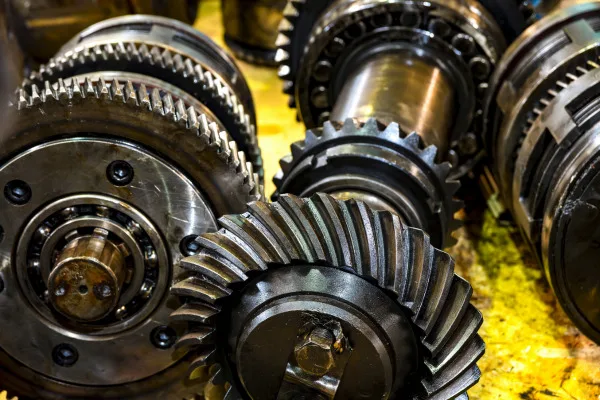
Transmissions depend on controlled friction more than almost any other mechanical system. Every shift event requires precise friction behavior to synchronize rotating components without shock or slip. Poor friction control leads to several common issues including harsh shifting, shudder during engagement, delayed response, overheating, and accelerated wear of clutch packs and synchronizers.
Friction modifiers help stabilize friction across a wide range of operating conditions. As temperature rises and fluid viscosity changes, friction modifiers ensure that performance remains predictable. This stability is especially important in heavy duty commercial vehicles, industrial equipment, agricultural machinery, marine systems, and off highway applications where transmissions experience sustained high loads.
How Transmission Friction Modifiers Work
Friction modifiers operate at the surface level. When added to transmission fluid or integrated into friction materials, they attach to metal and composite surfaces, smoothing microscopic asperities that cause erratic friction behavior.
Key functions include reducing stick slip behavior during clutch engagement, controlling torque capacity under load, minimizing heat generation, and protecting surfaces from abrasion and chemical degradation. Advanced friction modifiers are designed to remain stable under high temperatures and resist breakdown over extended service intervals.
Characteristics of the Best Transmission Friction Modifier
Not all friction modifiers deliver the same results. The best solutions are engineered to meet specific transmission designs and operating conditions.
A high quality transmission friction modifier demonstrates friction stability across temperature ranges, compatibility with transmission fluids and seals, resistance to oxidation and shear breakdown, and predictable interaction with clutch materials. It must support smooth engagement without sacrificing torque capacity or durability.
Professional grade friction modifiers are validated through laboratory testing and real world performance trials rather than marketing claims. This is where engineering driven companies separate from retail focused solutions.
Transmission Systems That Benefit From Friction Modifiers
Automatic transmissions rely heavily on friction modifiers to manage clutch engagement and shift quality. Manual transmissions benefit through smoother synchronizer operation and reduced gear wear. Continuously variable transmissions require extremely precise friction control to prevent belt or chain slippage while maintaining efficiency.
Industrial gearboxes, marine transmissions, agricultural drivetrains, and construction equipment also rely on friction modifiers to handle heavy loads, frequent cycling, and harsh environments. In these systems, friction stability directly impacts uptime, safety, and operating costs.

Friction Modifiers Versus Generic Aftermarket Additives
Many aftermarket products are marketed broadly as friction modifiers, including those sold under consumer retail brands such as Friction Modifier Advance Auto Parts. While these products may offer short term improvements for light duty applications, they often lack the formulation depth required for demanding industrial or commercial use.
Generic additives may not be optimized for specific clutch materials, fluid chemistries, or operating temperatures. In some cases, improper additives can cause excessive slippage, seal compatibility issues, or accelerated degradation of transmission components.
Engineered friction solutions developed by specialists like ProTec are formulated with a deep understanding of material interactions and long term performance requirements.
The Role of Friction Modifiers in Heat Management
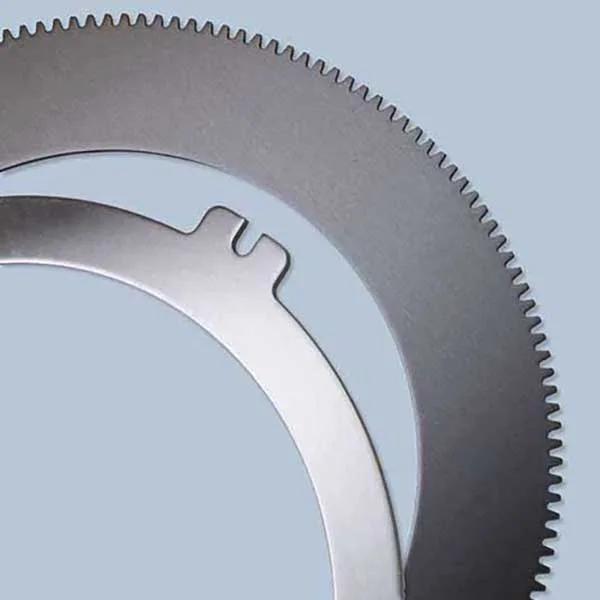
Heat is one of the primary enemies of transmission systems. Excessive friction generates heat that degrades fluids, weakens materials, and accelerates wear. Transmission friction modifiers play a vital role in controlling heat by reducing unnecessary friction while maintaining functional engagement.
By stabilizing friction behavior, modifiers prevent energy loss during shifting and torque transfer. This results in lower operating temperatures, improved fluid life, and reduced thermal stress on internal components.
Interaction With Transmission Fluids
Transmission friction modifiers must be compatible with the base fluid chemistry. Modern transmission fluids are complex blends of base oils, detergents, dispersants, anti wear agents, and viscosity modifiers.
A well designed friction modifier integrates seamlessly into this system, enhancing performance without disrupting fluid balance. Poorly formulated additives can interfere with lubrication properties, reduce film strength, or accelerate oxidation. ProTec evaluates friction modifiers as part of the complete fluid and material system rather than as isolated components.
Friction Modifiers and Clutch Material Compatibility
Transmission clutches are manufactured from a variety of materials including paper based composites, carbon fiber blends, sintered metals, and advanced fiber composites. Each material responds differently to friction modifiers.
The best transmission friction modifier is engineered to complement the clutch material rather than overpower it. Proper compatibility ensures smooth engagement, minimal wear, and stable friction throughout the service life of the transmission.
ProTec’s Engineering Approach to Transmission Friction Control
At ProTec Friction Group, friction control is approached as a system level challenge rather than a single component solution. Our engineers evaluate operating conditions such as torque loads, duty cycles, temperature profiles, fluid chemistry, and material interactions.
Our experience in brake and clutch materials gives us a unique perspective on friction behavior across a wide range of applications.
Industrial and Commercial Applications Served
ProTec friction solutions support industries including commercial transportation, agriculture, construction, mining, marine, oilfield operations, manufacturing automation, and heavy industrial processing. In each case, friction modifiers help extend transmission life, improve efficiency, and reduce downtime.
Whether the application involves continuous operation, frequent shifting, high torque loads, or extreme environmental exposure, ProTec delivers solutions engineered for performance and reliability.
Long Term Benefits of Proper Friction Modification
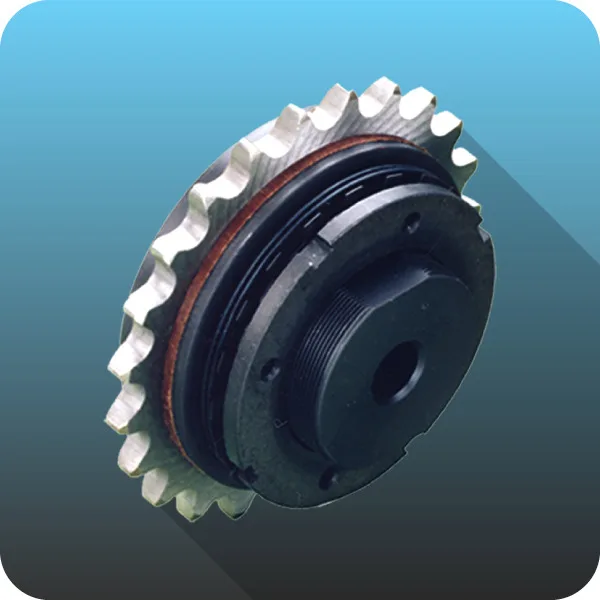
When the correct transmission friction modifier is used, organizations benefit from smoother shifting, reduced vibration, improved power transfer, lower operating temperatures, extended service intervals, and reduced total cost of ownership.
These benefits compound over time, improving equipment availability and reducing maintenance expenses. Proper friction control also enhances operator comfort and system safety.
Conclusion
Transmission performance depends on precise friction control. A properly engineered Transmission Friction Modifier ensures smooth engagement, stable torque transfer, and long term durability across a wide range of operating conditions. Selecting the Best Transmission Friction Modifier requires more than choosing a retail additive such as Friction Modifier Advance Auto Parts offerings. It requires an understanding of material science, fluid chemistry, and system level interactions.
ProTec Friction Group applies decades of engineering expertise to develop friction solutions that meet the demands of modern transmission systems. Our focus on precision, durability, and performance helps customers optimize drivetrain efficiency and reduce lifecycle costs.
Tags: Best Transmission Friction Modifier, Friction Modifier Advance Auto Parts, Transmission Friction Modifier