

When a transmission or differential depends on controlled friction, the smallest change in friction behavior can affect the way the entire system performs. Engagement characteristics, torque transfer, operating temperature, wear, noise, and consistency can all be influenced by the relationship between the friction material, mating surfaces, lubricant, and operating conditions.
That is why choosing a Transmission Friction Modifier should not be treated as a simple product-selection exercise. The right friction solution needs to make sense for the application it will actually serve.
ProTec Friction Group works with manufacturers, engineers, rebuilders, and industrial customers that need dependable friction solutions for demanding mechanical applications. Whether you are evaluating a Friction Modifier For Transmission systems, investigating friction behavior in a differential, replacing an existing component, or developing a new application, ProTec Friction Group provides an experienced point of contact for understanding the technical requirements behind the friction system.
Rather than beginning with a generic recommendation, the conversation can begin with your equipment, operating conditions, existing friction components, and the performance you need to achieve.
Call ProTec Friction Group at 914-244-3600 to discuss your friction application, or submit your requirements through the company website to start an inquiry.
Friction Is a Performance Requirement, Not an Afterthought
A transmission has to transfer power while allowing its internal components to engage and disengage in a controlled manner. A differential has to manage torque while accommodating differences in rotational speed. In both cases, friction plays a carefully balanced role in how the system behaves. Too much attention on one friction characteristic can overlook the rest of the application.
The material itself matters, but so do the surfaces it contacts, the lubricant surrounding the system, the pressure applied during engagement, the operating temperature, the frequency of operation, and the loads the equipment experiences. A friction solution that performs appropriately in one configuration may not produce the same result when the application changes.
This is why experienced Friction Modifiers suppliers need to understand more than the name of the component. At ProTec Friction Group, the focus is on understanding the application behind the requirement so that friction can be considered as part of the complete mechanical system rather than as an isolated specification. For an engineer troubleshooting inconsistent performance, a manufacturer developing a new product, or a purchasing team searching for a specialized solution, that distinction can make the sourcing process far more productive.

Choosing a Transmission Friction Modifier Starts With the System
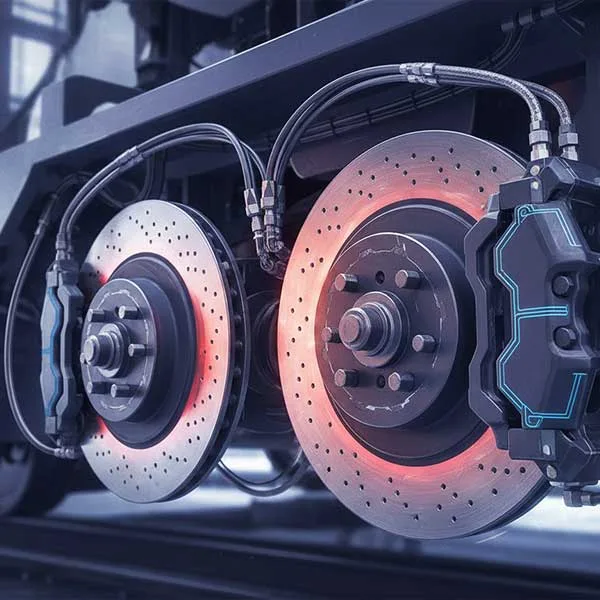
A Transmission Friction Modifier has to work within the environment created by the transmission itself. The desired friction behavior may depend on the type of friction material being used, the mating surface, lubrication conditions, temperature range, load, speed, and engagement pattern. Those variables can change significantly from one application to another.
For example, an application operating under repeated engagement may place different demands on its friction system than equipment operating intermittently under high loads. Similarly, a system with a particular lubricant and friction material combination may behave differently when the operating temperature, surface condition, or component design changes.
That is why ProTec Friction Group encourages customers to discuss the application rather than simply asking for a generic friction modifier. If your team already has a specification, part number, drawing, sample, or existing friction component, those details can provide a useful starting point. If you are still trying to determine why the current system is not performing as expected, the operating problem itself can be the starting point.
Call 914-244-3600 and speak with ProTec Friction Group about the friction conditions your transmission needs to handle.
Friction Modifier For Transmission Applications That Demand Consistency
In demanding transmission applications, consistency matters because friction behavior can influence how the system responds from one engagement to the next. When the friction characteristics do not align with the application, the problem may appear as unpredictable engagement, unwanted noise, accelerated wear, excessive heat, or a system that behaves differently as operating conditions change. A Friction Modifier for Transmission applications should therefore be considered within the context of the complete friction system.
The goal is not simply to increase or decrease friction. The objective is to achieve friction characteristics that are appropriate for the intended mechanical behavior and operating environment. That requires understanding what the transmission is designed to do, how the friction components interact, and which conditions are creating the greatest demands.
ProTec Friction Group provides customers with a technical resource for that type of discussion. Instead of forcing an application into a standard answer, the conversation can focus on the actual friction requirement and the factors that influence it. This application-first approach is particularly valuable when a company has already tried conventional solutions and is looking for a more informed path forward.
Friction Modifiers for Specialized Mechanical Requirements
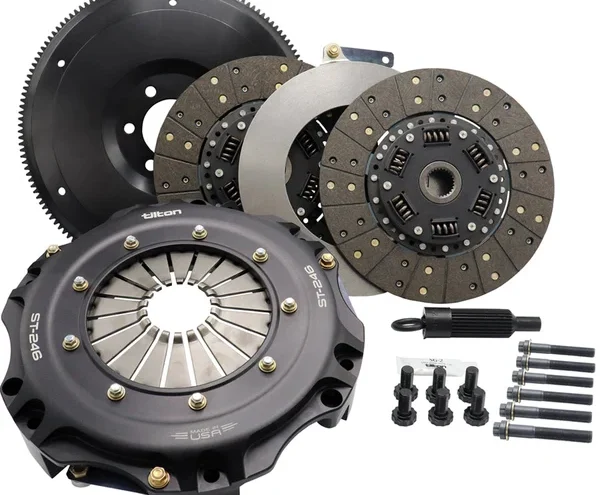
The term Friction Modifiers can cover a wide range of technical requirements, but no single approach should automatically be assumed to suit every mechanical system. A manufacturer may need controlled friction behavior as part of a new transmission design. A rebuilder may be dealing with a component whose original friction characteristics are no longer being reproduced consistently. An engineering department may be evaluating materials for a new configuration. A maintenance team may be investigating unusual wear or performance changes in existing equipment.
Each situation begins with a different question, but the underlying requirement is similar: understand how friction is behaving and determine what the system needs from its friction components. ProTec Friction Group approaches those situations by looking at the application and the conditions surrounding the friction interface. That creates a more useful technical conversation and can help customers avoid selecting a friction solution simply because it appears similar to something that worked elsewhere. When the application is specialized, the details matter.
A Friction Modifier for Differential Applications Requires Context
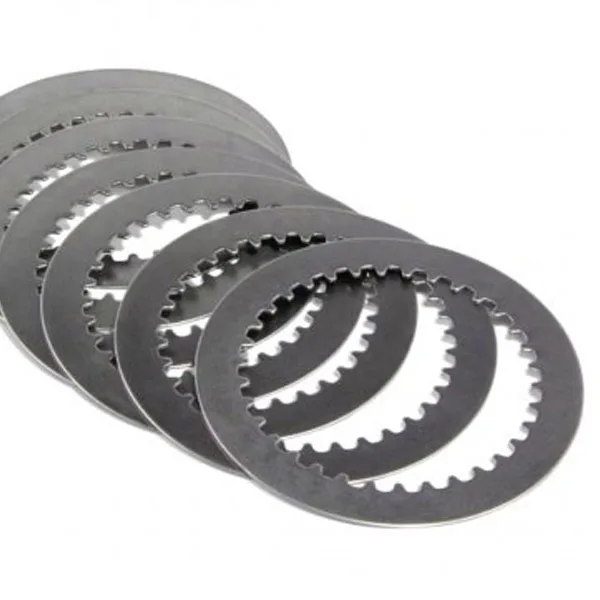
Differentials present their own friction challenges because they must allow components to accommodate different rotational speeds while managing torque within the system. When considering a Friction Modifier for Differential applications, the desired friction characteristics need to be understood alongside the differential design, friction components, mating surfaces, lubricant conditions, temperature, load, and operating behavior. A solution that is appropriate for one differential configuration should not automatically be assumed to be appropriate for another. Differences in component design and operating conditions can change the friction requirements considerably.
For that reason, ProTec Friction Group approaches differential friction requirements from the application outward. If you are experiencing a change in engagement behavior, investigating an existing friction issue, developing a new system, or looking for a solution for a specialized differential application, providing the technical context can help establish a much more useful starting point. You do not need to arrive with every answer. A conversation about the equipment, existing components, operating conditions, and performance objectives can help clarify what information matters most.
When the Existing Friction Solution Is No Longer Enough
Sometimes the need for a new friction solution becomes obvious after a component repeatedly fails to deliver the expected performance. Perhaps the system has developed inconsistent engagement after operating reliably for years. Maybe wear has become excessive, temperatures are creating new concerns, or a replacement component does not behave like the original. In another situation, the original friction material may no longer be readily available, leaving the engineering or purchasing team searching for an alternative.
Simply replacing the component with something that appears similar may not address the reason the problem occurred. The better question is what the application is actually asking the friction system to accomplish. That can involve looking at the friction material, surface interaction, lubricant, operating temperature, pressure, speed, load, duty cycle, and component design. Once those factors are understood, the search for an appropriate friction solution becomes more focused. This is where an experienced friction supplier can provide value beyond supplying a part.

A Technical Partner for Engineers, Manufacturers and Rebuilders
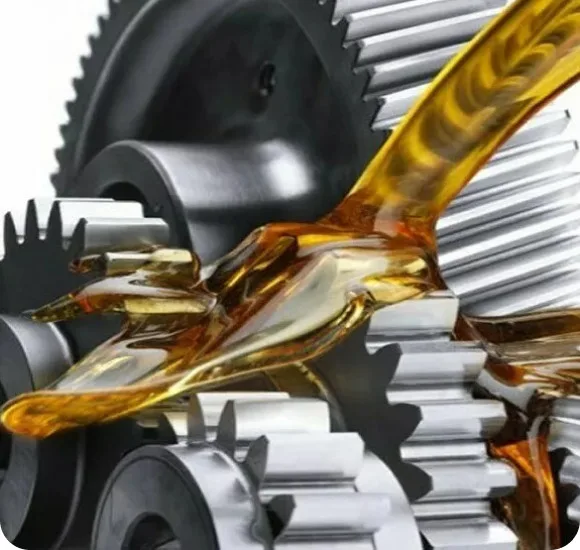
ProTec Friction Group works with customers who need friction expertise alongside manufacturing capability. That can be particularly important when the requirement does not fit neatly into a standard catalog description. An OEM may need help evaluating a friction requirement during product development. A manufacturer may need a consistent source for a specialized component. A rebuilder may need assistance identifying an appropriate replacement for an existing friction part. An engineering team may need to explore a material or component configuration for a challenging application.
In each case, the quality of the initial conversation matters. Providing the equipment type, existing component, dimensions, material information, operating environment, performance issue, and expected service conditions can help create a more meaningful technical discussion. Drawings, samples, part numbers, and other available documentation can also be useful when evaluating a specific requirement. ProTec Friction Group’s role is not simply to ask customers what product they want. It is to understand what the friction system needs to accomplish.
Why Application Details Matter Before You Choose
It can be tempting to search for a friction modifier by name and select the first product that appears to match the requirement. For straightforward applications, that may sometimes be sufficient, but specialized transmission and differential systems deserve a closer look. The friction interface is affected by the environment around it, and those surrounding conditions can determine whether a particular solution performs as expected.
That is why useful conversations often include questions about the existing friction material, equipment configuration, operating temperature, lubricant, load, speed, engagement frequency, surface condition, and the performance issue being investigated. Those details are not unnecessary technical hurdles. They are what allow the friction requirement to be understood properly. For a company making an important purchasing or engineering decision, spending time on those details at the beginning can be considerably more useful than testing unsuitable options after the fact.
Start With the Problem You Need to Solve
You do not have to know the exact technical solution before contacting ProTec Friction Group. If your team knows that a transmission is behaving differently than expected, start there. If a differential requires a different friction characteristic, explain what the system is doing and what you need it to do instead. If you are developing a new application, describe the operating environment and performance objectives.
The more relevant information you can provide, the more focused the discussion can become, but an initial inquiry does not require a complete engineering package. If you have a drawing, sample, part number, material specification, existing component, or operating data, include it. If you do not, explain the application in practical terms and identify the problem you are trying to solve.
Call ProTec Friction Group at 914-244-3600 or visit the website to submit your requirements and begin the conversation.
Frequently Asked Questions
- What does a Transmission Friction Modifier do?
A transmission friction modifier is intended to influence the friction characteristics of a transmission-related friction system. Its suitability depends on the friction materials, mating surfaces, lubricant environment, operating conditions, and performance requirements of the specific application. - How should I select a Friction Modifier For Transmission systems?
Start with the application rather than the product name. Information about the transmission configuration, friction material, lubricant, operating temperature, load, speed, engagement conditions, and existing performance issue can help establish the appropriate technical requirements. - What are Friction Modifiers used for?
Friction Modifiers are used when the friction characteristics of a mechanical system need to be influenced or controlled. The specific objective varies according to the equipment, friction materials, operating environment, and desired system behavior. - What should I consider when looking for a Friction Modifier for Differential applications?
Differential requirements should be considered in relation to the differential design, friction components, mating surfaces, lubricant, temperature, torque, operating conditions, and desired friction behavior. Providing application information is an important first step in evaluating the requirement. - Can ProTec Friction Group help if I do not know which friction modifier I need?
Yes. You can begin by providing information about the equipment, existing friction component, operating conditions, and performance issue. A technical discussion can help establish what information and friction characteristics are relevant to the application. - Can ProTec Friction Group work with specialized or custom friction requirements?
ProTec Friction Group works with customers on engineered friction applications and specialized friction requirements. If a standard solution does not appear to address your application, contact the company with the available technical information so the requirement can be discussed. - What information should I include in an inquiry?
Useful information may include the equipment and application type, existing component or part number, dimensions, friction material, lubricant environment, operating temperature, load, speed, quantity requirements, and the performance issue you are trying to address. Drawings or samples may also help when evaluating a specific component.
A transmission or differential friction problem rarely exists in isolation. The material, component, lubricant, surfaces, operating conditions, and mechanical design all contribute to the way the system behaves. That is why the right friction solution begins with understanding the application.
Whether you are searching for a Transmission Friction Modifier, evaluating a Friction Modifier For Transmission systems, comparing Friction Modifiers, or investigating a Friction Modifier for Differential applications, ProTec Friction Group can provide a starting point for a more informed technical conversation. Instead of spending time searching through generic options and hoping one matches your requirements, bring the application to a team that understands friction and engineered friction components.
Call 914-244-3600 today to discuss your requirements with ProTec Friction Group.
Tags: Friction Modifier for Differential, Friction Modifier For Transmission, Friction Modifiers, Transmission Friction Modifier