

When friction becomes a performance concern, choosing a material from a generic product list is rarely enough. The right solution depends on what the component is expected to do, how it operates, and the conditions it must withstand over time. Load, speed, temperature, pressure, engagement frequency, wear requirements, and the surrounding environment can all influence how a friction material performs in the real world.
That is where ProTec Friction Group brings value to the conversation.
We focus on the role that friction materials play in demanding mechanical applications, helping customers look beyond a basic material specification and consider the performance requirements that matter to the finished component. Whether you are developing a new application, evaluating material options, or addressing an existing friction-related challenge, the objective is the same: identify a solution that makes sense for the way your equipment actually operates.
Have a friction-material requirement to discuss? Call ProTec Friction Group at 914-244-3600 and speak with our team about your application.
The Right Friction Material Starts With the Right Questions
Friction is not something that every mechanical system simply needs less of. In many applications, friction is what allows a system to engage, stop, hold, transfer force, or control movement. The challenge is achieving the appropriate friction characteristics consistently while managing heat, wear, and the stresses created during operation. That distinction matters when evaluating Friction Products.
A material that performs effectively in one environment may behave differently when exposed to higher temperatures, heavier loads, greater speeds, repeated cycling, or a different mating surface. Selecting a friction material therefore requires more than matching a product to a general category. It requires an understanding of the application and the conditions under which the material will be expected to perform. For manufacturers, engineers, and purchasing teams, that application-first approach can make the selection process more productive and reduce the uncertainty that often accompanies material evaluation.
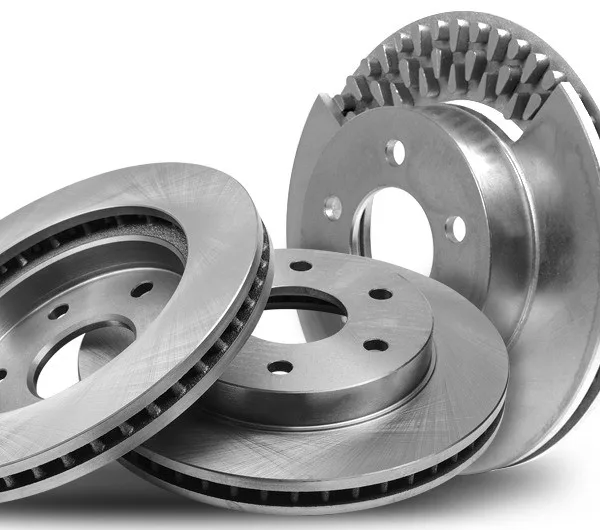
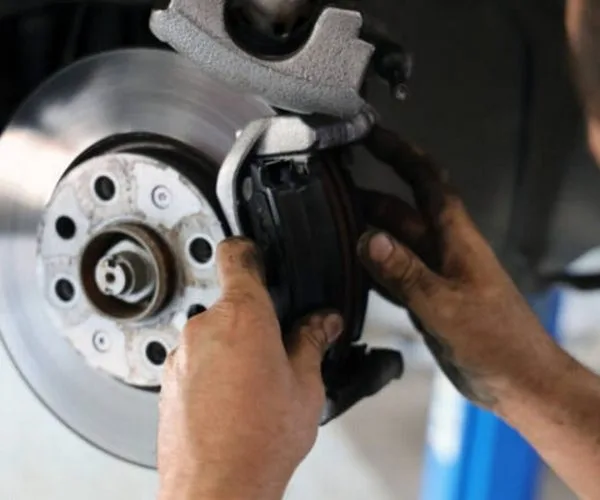
Friction Products Designed Around Performance Requirements
Every mechanical application tells a different story. Some systems operate under repeated high-load cycles, while others require controlled engagement and predictable friction characteristics over extended periods. Certain applications may place greater emphasis on thermal stability or wear resistance, while others may require careful management of noise, vibration, or surface interaction. This is why the selection of Friction Control Products should begin with performance requirements rather than assumptions.
The objective is not simply to identify a material that can generate friction. The objective is to understand how that material needs to behave throughout the operating cycle. That can include how it engages, how it responds as temperatures change, how it interacts with its mating component, how it wears, and how consistently it performs after repeated use. ProTec Friction Group takes a practical view of these considerations, helping customers focus on the characteristics that are relevant to their particular application instead of treating friction materials as interchangeable products.
Understanding the Friction Products Material Market
The Friction Products Material Market includes a broad range of materials developed for applications where controlled friction and wear characteristics are essential. Because operating environments vary so widely, material selection has become an important part of application development and component performance. For a technical buyer, the challenge is not simply finding a material that falls within a particular friction category. It is determining whether the material is appropriate for the combination of conditions it will encounter.
Temperature, pressure, rotational speed, contact conditions, duty cycle, environmental exposure, and expected service life can all influence material behavior. Even seemingly small differences in application requirements may affect the suitability of one material compared with another. That is why working with a supplier that understands friction materials from an application perspective can be valuable. Instead of approaching the process as a simple product search, customers can evaluate their requirements more deliberately and make decisions based on the conditions their components actually face.
Friction Reducing Products: Managing Unwanted Resistance
The term Friction Reducing Products is often associated with the idea of minimizing friction, but effective friction management is more nuanced than simply reducing resistance. In a mechanical system, uncontrolled or excessive friction can contribute to heat generation, energy loss, surface wear, and inconsistent movement. At the same time, reducing friction too aggressively may compromise the controlled interaction that the system requires.
The objective is therefore balance.
A well-selected friction solution can help a system manage the relationship between interacting surfaces in a way that supports its intended function. For equipment designers and manufacturers, this can be particularly important when components must operate repeatedly and predictably under demanding conditions. ProTec Friction Group approaches this challenge by focusing on the application rather than treating friction reduction as a one-size-fits-all objective.
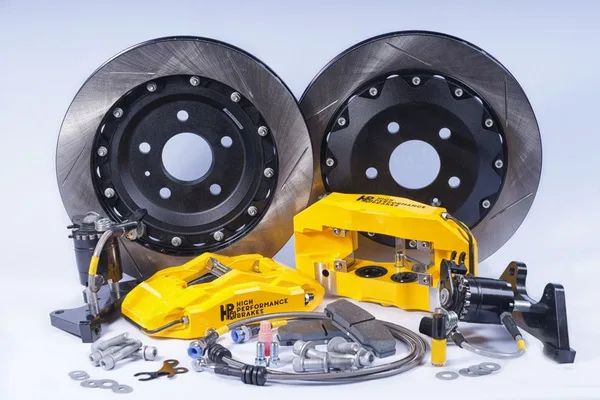

Why Material Selection Can Influence the Entire Component
A friction material does not operate independently. Its performance is connected to the component design, mating surface, operating conditions, and demands placed on the system. Consider what happens when a friction component experiences repeated engagement. Every cycle can involve changes in pressure, temperature, surface interaction, and wear. Over time, those conditions can influence how the material behaves and how the overall system performs.
This is why a material that appears suitable during an initial evaluation may require a closer examination before it is adopted for production. For engineers and manufacturers, evaluating the material in the context of the application can provide a more meaningful basis for decision-making. It can also help identify important questions earlier, before material selection becomes difficult or costly to change.
A More Thoughtful Approach to Friction Control
At ProTec Friction Group, friction is approached as an engineering consideration rather than simply a commodity purchase. The conversation begins with understanding what the customer needs the material to accomplish. Operating conditions, performance expectations, component requirements, and other application-specific considerations can then help shape the material-selection process.
This approach is particularly useful when a standard solution does not adequately address the application’s requirements or when an existing friction component is creating concerns related to wear, consistency, heat, engagement, or service life. Rather than assuming that one material can satisfy every situation, the focus remains on finding a solution that is appropriate for the conditions at hand.
If you are evaluating friction materials for a new or existing application, call 914-244-3600 to discuss your requirements with ProTec Friction Group.
Why ProTec Friction Group?
When the performance of a mechanical component depends on friction, the supplier you choose becomes part of the material-selection process. Product availability matters, but so does the ability to understand why a particular material is being considered and what the application demands from it. ProTec Friction Group is focused on friction and the practical requirements surrounding friction-material applications. That specialization allows discussions to remain centered on the technical considerations that matter to engineers, manufacturers, and other professionals responsible for component performance.
The value is in taking a closer look at the application before making a material decision. Instead of beginning with the assumption that a particular product is the answer, the process can begin with a better question: what does the application actually require from the friction material? That shift can make material evaluation more deliberate, help identify relevant performance factors, and give customers a clearer path toward an appropriate friction solution.


When a Friction Material Specialist Can Add Value
There are situations where a straightforward material purchase is sufficient, but there are also applications where material selection deserves more attention. If a component operates under unusual temperatures, repeated loading, demanding duty cycles, significant wear conditions, or other challenging requirements, selecting the appropriate friction material can become a critical part of the development process.
The same applies when an existing component is not performing as expected. If wear is occurring sooner than anticipated, operating temperatures are becoming a concern, engagement characteristics are inconsistent, or a component simply does not deliver the expected service performance, revisiting the friction material may be worthwhile. The important point is to address these questions before they become larger operational problems. ProTec Friction Group can help you have that conversation and evaluate the friction-related requirements surrounding your application.
Built Around the Application, Not a Generic Specification
The strongest friction solution is not necessarily the material with the longest list of specifications. It is the material whose characteristics align with the conditions under which the component must operate. That means looking at the complete application rather than isolating one performance characteristic.
A thoughtful evaluation considers the relationship between friction, wear, temperature, load, speed, duty cycle, and the other factors that influence component behavior. This broader perspective can help customers avoid making a decision based solely on a single number or general product description. For businesses where reliability, consistency, and component performance matter, that level of consideration can be worth the conversation.
Frequently Asked Questions
- What are Friction Products used for?
Friction Products are used in mechanical applications where controlled interaction between surfaces is required. Depending on the system, they can support braking, clutch engagement, power transmission, motion control, wear management, and other functions where predictable friction characteristics are important. - How do I determine which friction material is right for my application?
The appropriate material depends on the conditions under which the component will operate. Factors such as load, speed, temperature, pressure, duty cycle, mating surfaces, environmental exposure, wear expectations, and required friction characteristics should all be considered before selecting a material. - Are Friction Reducing Products intended to eliminate friction?
Not necessarily. The purpose of friction management is usually to achieve the appropriate level of friction for the application. Friction Reducing Products may help control unwanted resistance while preserving the friction characteristics required for the system to function correctly. - What does the Friction Products Material Market include?
The Friction Products Material Market encompasses materials and related solutions used in applications where friction, wear, engagement, braking, power transmission, or controlled surface interaction are important. Different materials are suited to different operating environments and performance requirements. - Why does operating temperature matter when selecting friction products?
Temperature can influence the behavior and durability of friction materials. Applications involving repeated engagement or high operating temperatures may place additional demands on the material, making thermal considerations an important part of the selection process. - What information should I provide when contacting ProTec Friction Group?
Information about the component, operating conditions, loads, speeds, temperatures, duty cycle, current material, performance concerns, and desired outcome can help make the conversation more productive. Even if you do not have every specification available, explaining the application and the problem you are trying to solve is a useful starting point. - Can ProTec Friction Group help when an existing friction component is not performing as expected?
Application-specific requirements are important when evaluating Friction Control Products. If you are experiencing concerns related to wear, friction behavior, operating conditions, or component performance, contacting ProTec Friction Group can provide an opportunity to discuss the application and determine what factors should be considered.
Choosing a friction material should not be reduced to selecting a product from a catalog. When the material directly influences how a component engages, transfers force, controls movement, or manages wear, the decision deserves to be connected to the actual conditions of the application. ProTec Friction Group brings a focused perspective to that process, helping customers consider the friction-material requirements that matter to their equipment and components. If you are developing a new product, evaluating alternative materials, or trying to address an existing friction-related challenge, now is the right time to have a technical conversation before an unsuitable material becomes a larger cost or performance issue.
Call ProTec Friction Group at 914-244-3600 to discuss your application and friction-material requirements.
Tags: Friction Control Products, Friction Products, Friction Products Material Market, Friction Reducing Products