

Friction is a necessary force in mechanical systems, but when it is poorly controlled it becomes a source of inefficiency, wear, heat, and failure. Across industrial machinery, power transmission, and motion control systems, engineers routinely encounter Friction Problems and Solutions as part of daily operations. Understanding how friction behaves and how it can be managed is essential for improving reliability, safety, and lifecycle cost.
Many design and maintenance teams face recurring Frictional Force Problems with Solutions that are not always obvious at first glance. Symptoms such as overheating, vibration, noise, belt slippage, or premature wear often trace back to friction behavior that is either too high, too low, or inconsistent over time. Without a structured approach, these issues are frequently treated as isolated failures rather than system level friction problems.
Power transmission systems, in particular, experience frequent Belt Friction Problems with Solutions that require careful analysis of material selection, surface condition, tension, and environmental exposure. Whether in conveyors, industrial drives, or processing equipment, belt friction directly affects torque transfer, efficiency, and uptime. At ProTec Friction Group, we help manufacturers and equipment operators move beyond trial-and-error fixes by applying friction science to real world problems.
Understanding the Nature of Friction Problems
Friction problems rarely occur in isolation. They are typically the result of interactions between materials, surfaces, loads, and operating conditions. When one variable changes, friction behavior can change dramatically.
Common sources of friction problems include:
- Incorrect friction material selection
- Mismatched mating surfaces
- Excessive or insufficient surface roughness
- Inadequate heat dissipation
- Environmental contamination such as dust, oil, or moisture
- Improper system alignment or tension
- Operating conditions outside the design envelope
Addressing friction issues effectively requires identifying the root cause rather than reacting only to the symptoms.
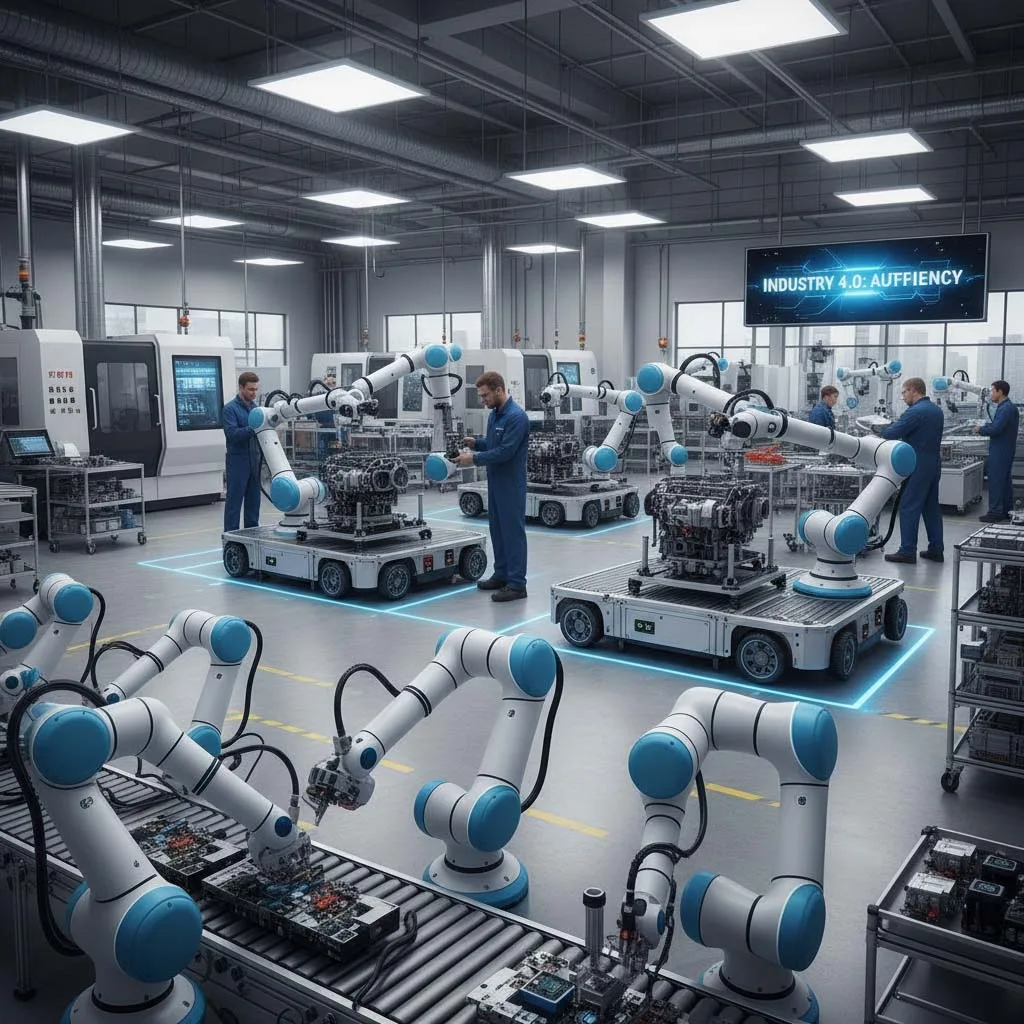
Common Friction Problems in Industrial Applications
Industrial systems experience friction in braking, clutching, sliding, rolling, and power transmission interfaces. Each interface introduces its own challenges.
Excessive Friction
High friction may seem beneficial, but excessive friction can cause:
- Overheating
- Accelerated wear
- Increased energy consumption
- Surface damage or glazing
Unstable Friction
Inconsistent friction is often the most damaging condition. It can lead to:
- Vibration and chatter
- Stick slip behavior
- Noise
- Irregular wear patterns
Insufficient Friction
Low friction where grip or torque transfer is required can result in:
- Slippage
- Loss of control
- Reduced braking or holding force
- Heat generation due to continuous slip
Frictional Force Problems with Solutions in Mechanical Systems
Frictional force problems arise when the resisting force between two surfaces does not match the system requirement. Below are common scenarios along with proven solution approaches.
Problem: Excessive Wear on Sliding Components
Excessive wear often results from high contact pressure combined with unstable friction.
Solutions include:
- Switching to a friction material with improved wear resistance
- Optimizing surface finish to reduce asperity interaction
- Introducing compatible low friction coatings
- Improving heat dissipation to stabilize friction behavior
Problem: Stick Slip and Jerky Motion
Stick slip occurs when static friction is significantly higher than dynamic friction.
Solutions include:
- Selecting materials with smoother friction transition curves
- Applying surface treatments to reduce static friction peaks
- Improving lubrication compatibility
- Redesigning contact geometry to distribute load evenly
Problem: Overheating Due to Friction
Heat buildup is a common indicator of friction imbalance.
Solutions include:
- Using friction materials with better thermal stability
- Improving airflow or heat sink capacity
- Reducing unnecessary friction through material pairing
- Ensuring friction levels are sufficient but not excessive
Problem: Noise and Vibration
Noise often originates from friction instability at the interface.
Solutions include:
- Selecting friction materials engineered for damping
- Modifying surface roughness to reduce excitation
- Using fillers or fibers that suppress vibration
- Matching friction material to the mating surface hardness
Belt Friction Problems with Solutions in Power Transmission Systems
Belts are widely used in industrial equipment due to their flexibility and efficiency. However, belt friction problems are among the most common causes of power transmission failure.
Problem: Belt Slippage Under Load
Slippage occurs when friction between the belt and pulley is insufficient.
Solutions include:
- Increasing friction coefficient through material selection
- Optimizing belt tension within design limits
- Improving pulley surface condition
- Selecting belt compounds designed for higher friction
Problem: Excessive Belt Wear
High wear reduces belt life and increases downtime.
Solutions include:
- Reducing abrasive contact through smoother pulley finishes
- Selecting belt materials with better wear resistance
- Ensuring proper alignment to prevent edge wear
- Eliminating contamination such as oil or debris
Problem: Heat Buildup in Belt Drives
Heat is often caused by continuous micro slippage.
Solutions include:
- Improving friction stability rather than simply increasing friction
- Using belt materials with better heat resistance
- Enhancing ventilation around the drive system
- Reducing over tensioning that increases internal belt stress
Problem: Noise and Vibration in Belt Systems
Noise often indicates uneven friction or misalignment.
Solutions include:
- Matching belt material to pulley hardness
- Improving alignment and load distribution
- Selecting belt profiles designed for smoother engagement
- Using friction materials with damping properties
Why Friction Problems Persist in Industrial Equipment
Many friction problems recur because systems evolve while friction materials remain unchanged. Increased loads, higher speeds, or extended duty cycles can push materials beyond their original design limits.
Additional reasons include:
- Equipment retrofits without friction reassessment
- Operating environment changes
- Increased production demands
- Deferred maintenance practices
A proactive friction evaluation helps prevent recurring failures.
System Level Approach to Friction Problems and Solutions
Effective friction management requires viewing the system as a whole rather than focusing on a single component.
Key elements of a system level approach include:
- Evaluating operating loads and duty cycles
- Analyzing temperature profiles
- Reviewing material pairings
- Assessing environmental exposure
- Considering maintenance practices
This approach allows engineers to identify friction mismatches before they lead to failure.
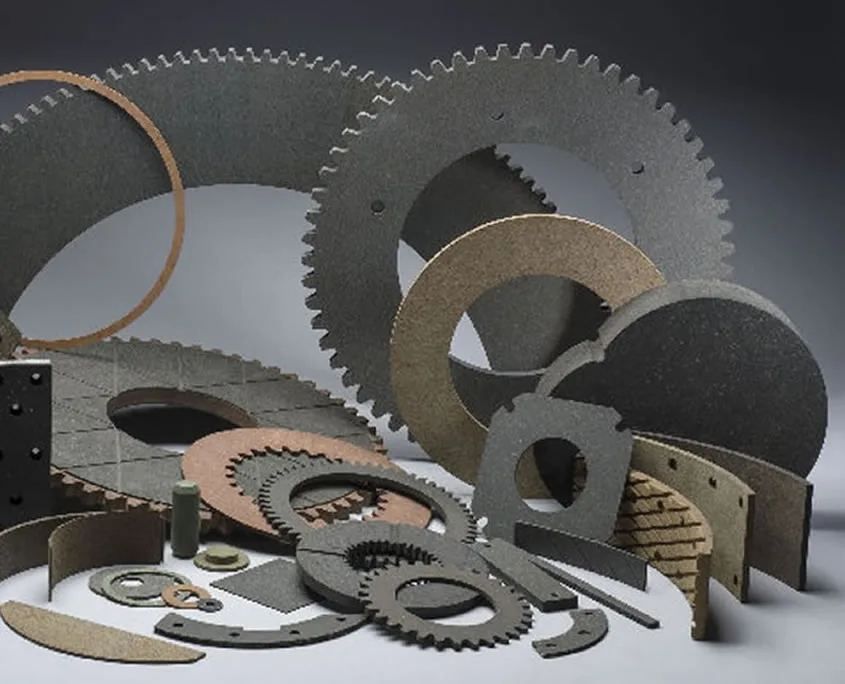
Material Selection as a Friction Solution
Material selection plays a central role in solving friction problems.
Common material strategies include:
- Organic and composite materials for controlled friction
- Semi metallic materials for higher load and heat resistance
- Ceramic or mineral reinforced materials for stability
- Fiber reinforced composites for durability and damping
Matching material properties to application requirements is critical for long term success.
The Role of Surface Engineering in Solving Friction Problems
Surface engineering can often solve friction problems without redesigning components.
Effective surface solutions include:
- Polishing or controlled roughening
- Hardening treatments
- Application of low or controlled friction coatings
- Surface texturing to retain lubrication
These methods allow fine tuning of friction behavior while preserving component geometry.
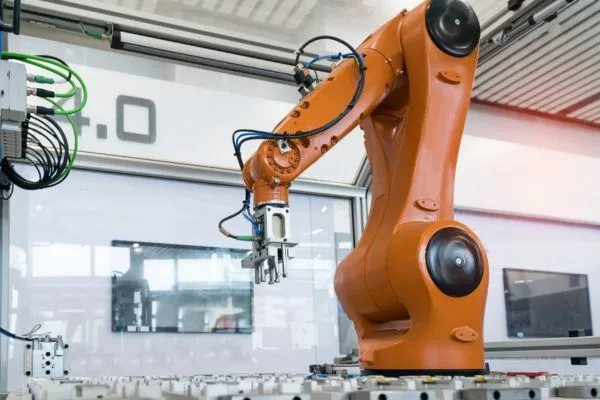

How ProTec Approaches Friction Problems in Industrial Applications
ProTec Friction Group applies decades of friction material expertise to help customers solve complex friction challenges.
Our approach includes:
- Root cause analysis of friction related failures
- Evaluation of operating conditions and materials
- Development of application specific friction formulations
- Compatibility testing with mating surfaces
- Validation through laboratory and field testing
This structured methodology ensures solutions address the underlying problem rather than masking symptoms.
Industries Commonly Affected by Friction Problems
Friction challenges occur across many industrial sectors.
Industries we support include:
- Manufacturing and processing
- Construction and heavy equipment
- Agriculture
- Mining and material handling
- Marine and offshore
- Transportation and logistics
Each industry presents unique friction challenges that require tailored solutions.


Reducing Long Term Costs Through Better Friction Management
Solving friction problems has a direct impact on operational costs.
Benefits include:
- Longer component life
- Reduced maintenance frequency
- Lower energy consumption
- Improved system reliability
- Increased uptime
Effective friction solutions deliver measurable return on investment over the equipment lifecycle.
Conclusion
Friction is both a functional requirement and a potential failure mechanism in industrial systems. Understanding Friction Problems and Solutions allows engineers to move from reactive maintenance to proactive design. Addressing Frictional Force Problems with Solutions requires a system level view of materials, surfaces, loads, and operating conditions. In power transmission, solving Belt Friction Problems with Solutions is critical for maintaining efficiency and uptime.
ProTec Friction Group brings engineering discipline to friction challenges, delivering solutions that improve reliability, safety, and lifecycle performance. By applying material science, surface engineering, and real world testing, we help industrial systems perform as intended over the long term.
Tags: Belt Friction Problems with Solutions, Friction Problems and Solutions, Frictional Force Problems with Solutions