

Agriculture has always been an industry driven by innovation. From the introduction of mechanized tractors to GPS-guided equipment, farmers have consistently adopted new technologies to increase productivity and efficiency. Today, a new wave of advancement is shaping the future of farming: agricultural robotics.
Modern farms face growing challenges. Global food demand continues to rise, skilled labor shortages are becoming more common, and environmental concerns require smarter resource management. These pressures have accelerated the development of robotic technologies designed specifically for agricultural environments.
The emergence of the agricultural robot represents a major leap forward. These intelligent machines are designed to assist farmers with tasks that traditionally required large amounts of manual labor or constant monitoring. Through automation, artificial intelligence, and advanced mechanical systems, robots are helping farmers improve productivity while reducing operational strain.
The Rise of Agricultural Robotics
Agricultural robotics refers to automated machines designed to perform farming tasks with minimal human intervention. These machines combine sensors, software, and mechanical systems to perform complex activities such as planting, harvesting, monitoring crops, and managing soil health.
The rapid development of precision agriculture robotics has been driven by several key factors:
- Increasing labor shortages in rural regions
- The need for higher crop yields to support growing populations
- Demand for more sustainable farming practices
- Advancements in robotics and artificial intelligence technologies
By integrating robotics into farming operations, growers can gain deeper insights into crop conditions while automating repetitive tasks that once required significant manpower.
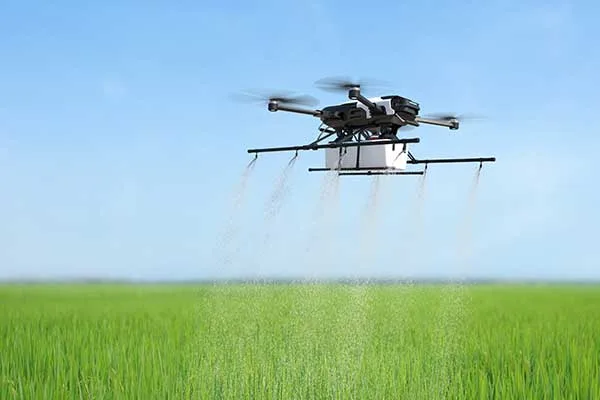
Understanding the Role of the Agricultural Robot
An agricultural robot is designed to carry out specialized farming activities with precision and consistency. Unlike traditional farm equipment, robotic systems are capable of analyzing their surroundings and making adjustments in real time.
These robots may operate autonomously or work alongside farmers as intelligent assistants. Their primary purpose is to increase efficiency while reducing the time and labor required to manage large agricultural operations.
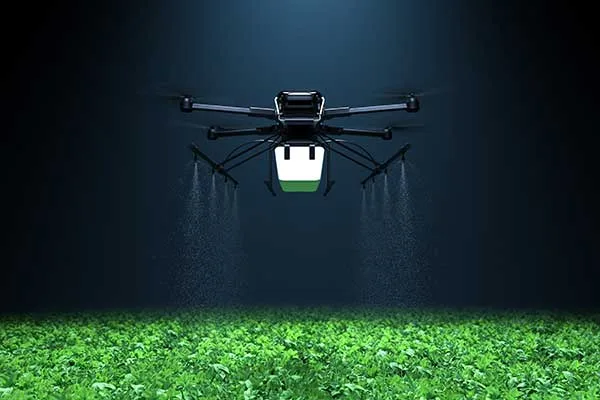
Some of the most common robotic applications in agriculture include:
Automated Planting – Robotic planting machines can analyze soil conditions and place seeds at optimal depths and spacing. This improves germination rates and helps ensure consistent crop growth.
Robotic Harvesting – Harvesting robots are designed to identify ripe produce and pick it carefully without damaging surrounding plants. These systems are particularly valuable for delicate crops such as fruits and vegetables.
Crop Monitoring – Robotic monitoring systems equipped with cameras and sensors can inspect crops for signs of disease, pests, or nutrient deficiencies. This allows farmers to address problems early and minimize crop loss.
Soil Analysis – Robots equipped with environmental sensors can collect data on soil moisture, nutrient levels, and temperature. This information helps farmers optimize irrigation and fertilization strategies.
Precision Agriculture Robotics: Smarter Farming Through Technology
One of the most important advancements in modern agriculture is the development of precision agriculture robotics. This approach focuses on using technology to manage crops at a highly detailed level.
Traditional farming methods often treat entire fields uniformly, even though soil conditions and crop needs may vary significantly across different areas. Precision robotics solves this problem by gathering data at the plant level and adjusting actions accordingly.
For example, precision robots can apply fertilizers only where needed, reducing chemical usage and environmental impact. Similarly, robotic weed control systems can identify unwanted plants and remove them individually rather than spraying herbicides across an entire field.
This targeted approach improves crop health while also reducing waste and lowering operational costs.
Robots in Agriculture: Expanding Capabilities
The presence of robots in agriculture continues to grow as new technologies emerge. Researchers and agricultural technology companies are constantly developing new robotic systems that expand the capabilities of automated farming.
Some emerging robotic solutions include:
Autonomous Tractors – Self-driving tractors can perform plowing, seeding, and spraying operations without constant human supervision. These machines rely on GPS guidance and advanced sensors to navigate fields safely and efficiently.
Robotic Weed Control – Advanced robots can identify weeds using computer vision technology. Instead of applying herbicides broadly, these robots eliminate weeds individually using mechanical removal or targeted treatments.
Fruit Picking Robots – Harvesting delicate fruits such as strawberries or apples requires precision and care. Robotic picking systems are being designed with soft gripping mechanisms that allow them to harvest crops without causing damage.
Drone-Assisted Robotics – In some farming operations, aerial drones work together with ground robots to collect crop data and monitor field conditions. This combination of technologies provides farmers with a complete view of their agricultural environment.
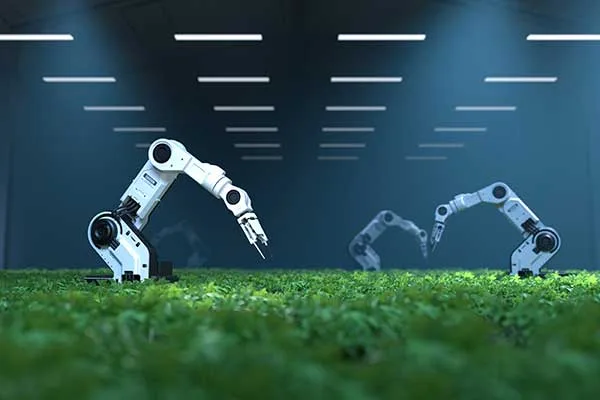
Benefits of Agricultural Robotics
The integration of agricultural robotics into farming operations offers several important advantages.
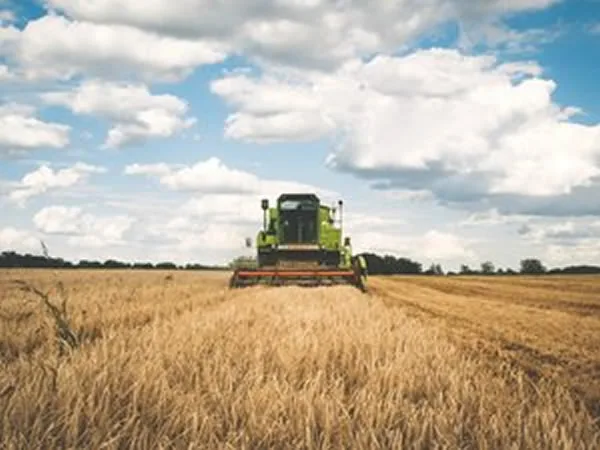
Improved Efficiency – Robots can perform repetitive tasks quickly and consistently without fatigue. This increases productivity and reduces the time required to complete essential farming activities.
Reduced Labor Challenges – Labor shortages have become a serious issue for many agricultural operations. Robotic systems help fill this gap by automating tasks that once required large workforces.
Enhanced Crop Management – Precision robotics enables farmers to monitor crops more closely than ever before. Early detection of plant health issues allows for faster corrective action.
Sustainable Farming Practices – Robots can reduce the need for excessive pesticide and fertilizer use by applying treatments only where necessary. This helps protect soil health and reduce environmental impact.
Better Resource Utilization – Precision agriculture robotics allows farmers to manage water, nutrients, and energy more efficiently, improving overall sustainability.
Engineering Challenges Behind Agricultural Robots
Although agricultural robotics offers tremendous benefits, designing these machines presents unique engineering challenges.
Farms expose equipment to harsh conditions, including dirt, moisture, extreme temperatures, and uneven terrain. Robotic systems must be built to withstand these demanding environments while maintaining reliable performance.
Mechanical components such as bearings, braking systems, and friction materials must be engineered to operate consistently under heavy loads and continuous motion.
This is where expertise in advanced friction materials becomes important. Companies specializing in friction engineering help ensure that robotic machinery operates smoothly and reliably across long periods of use.
The Future of Robots in Agriculture
The adoption of robots in agriculture is expected to accelerate rapidly over the next decade. As artificial intelligence, machine learning, and sensor technologies continue to evolve, agricultural robots will become even more capable and efficient.
Future developments may include:
- Fully autonomous farming systems
- Real-time crop health analysis using AI
- Coordinated fleets of robotic machines working together
- Advanced robotics capable of adapting to changing field conditions
These innovations will help farmers meet the growing demand for food while minimizing environmental impact and improving operational efficiency.
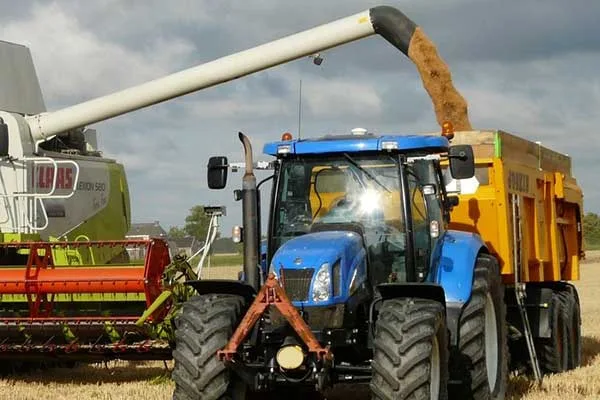
The integration of agricultural robotics represents one of the most exciting developments in modern farming. From intelligent harvesting machines to advanced monitoring systems, the agricultural robot is reshaping how crops are grown and managed.
Through precision agriculture robotics, farmers can make more informed decisions, optimize resource use, and improve overall productivity. As technology continues to evolve, the role of robots in agriculture will only become more important in building sustainable and efficient farming systems.
For industries supporting advanced mechanical technologies, reliable engineering and high-performance materials remain essential components of these innovations.
To learn more about advanced friction materials used in modern industrial systems and automation technologies, contact ProTec Friction Group at 914-244-3600 or visit protecfriction.com.
Tags: Agricultural Robot, Agricultural Robotics, Precision Agriculture Robotics, Robots in Agriculture