
Understanding Low Friction Materials and Their Role in Advanced Mechanical Systems
Comments Off on Understanding Low Friction Materials and Their Role in Advanced Mechanical SystemsUnderstanding Low Friction Materials and Their Role in Advanced Mechanical Systems

Reducing friction is essential for enhancing the efficiency, durability, and performance of mechanical components across a wide range of industries. Engineers rely on low friction sliding material technologies to ensure smooth movement between surfaces, minimize wear, and prevent overheating in demanding environments. Whether used in industrial machinery, automotive engines, or precision manufacturing systems, these materials help maintain stable and predictable operational behavior.
Selecting the correct low friction material combinations can significantly improve energy efficiency, reduce maintenance costs, and extend the lifespan of critical components. The right pairing of materials ensures that systems operate smoothly even under high pressure, continuous load, or variable speed conditions. For many applications, this includes choosing surfaces that resist abrasion, reduce heat buildup, and maintain structural integrity throughout the duty cycle.
In rotating systems and mechanical assemblies, a low friction bearing material is vital for maintaining reliable, low resistance movement. Bearings are among the most friction-sensitive components in any machine, and a poorly selected material may lead to increased heat, excessive wear, or catastrophic failure. Similarly, specialized low friction coatings are becoming increasingly important in modern engineering due to their ability to provide long lasting protection, reduce drag, and enhance surface performance without altering overall component geometry.
At ProTec Friction Group, we apply decades of material science expertise to help manufacturers optimize friction behavior across entire systems. Although we are widely known for high performance brake and clutch materials, our engineering capabilities extend deeply into low friction applications used in industrial, automotive, marine, and off highway equipment.
What Makes a Material Low Friction
A low friction material is defined by its ability to minimize resistance when in contact with another surface. Several factors influence how a material behaves during sliding, rolling, or rotational movement.
- Surface Smoothness
A smoother surface typically produces lower friction, although controlled surface textures may sometimes improve lubrication retention. - Molecular Structure
Certain polymers and engineered materials naturally exhibit low friction due to their internal bonding characteristics. - Temperature Behavior
Low friction materials maintain stability and smooth sliding even when exposed to elevated temperatures. - Load Handling
Some materials reduce friction under high pressure, while others are designed for light load applications. - Interaction With Lubricants
Compatibility with oils, greases, or solid lubricants enhances sliding performance.
Understanding these factors allows engineers to select or develop materials that deliver consistent low friction performance across diverse applications.
Applications That Depend on Low Friction Sliding Material
Low friction materials are integral to systems that involve continuous movement or repetitive motion. These applications span dozens of sectors.
- Automotive Engines and Transmissions
Internal components must move smoothly to improve fuel efficiency, reduce heat, and prevent wear. - Industrial Machinery
Gear systems, guide rails, and actuators rely on low friction surfaces for precision and reliability. - Aerospace
Low friction materials help reduce drag, enhance component lifespan, and maintain performance in extreme environmental conditions. - Hydraulics and Pneumatics
Valves and pistons require low friction sliding behavior to achieve proper sealing and movement. - Robotics
Precision controlled motion depends on friction reduction for accurate movements and long term stability. - Manufacturing Automation
CNC machines, conveyors, and assembly systems rely on low resistance materials to maintain continuous productivity.
Low Friction Material Combinations and Why They Matter
Selecting the ideal low friction material combinations is critical for designing systems that operate smoothly and efficiently. Materials must not only reduce friction but also be compatible with one another under the expected load, temperature, and environmental conditions.
Common low friction material pairings include:
- PTFE (Teflon) With Polished Metal
PTFE provides excellent lubricity and chemical resistance, making it ideal for sliding against steel or aluminum. - Bronze With Graphite
Graphite embedded bronze reduces friction in bearings and bushings, especially where lubrication is limited. - Ceramic Coatings With Hardened Metals
Ceramic layers provide low friction and high wear resistance, ideal for high temperature applications. - Nylon or UHMW Polyethylene With Steel
Engineered polymers offer low friction movement with excellent impact and wear resistance. - Carbon Composite With Carbon Steel
Carbon materials maintain smooth movement under high loads and rapid speed changes.
Material combinations must be selected carefully based on stress patterns, wear cycles, and lubrication availability. ProTec’s engineering team helps manufacturers evaluate and match materials that maximize system efficiency while ensuring long service life.
Low Friction Bearing Material and Its Importance
Bearings are among the most friction sensitive components in any mechanical system. Using the correct low friction bearing material ensures that bearings rotate or slide smoothly while supporting loads and maintaining alignment.
Key Characteristics of Low Friction Bearing Materials:
- High Wear Resistance
Bearings serve as the interface between moving parts, so they must resist abrasion and material breakdown. - Low Heat Generation
Low friction prevents overheating and protects surrounding components. - Dimensional Stability
Materials must maintain shape under thermal and mechanical stress. - Lubrication Compatibility
Materials should work effectively with oils, greases, or solid lubricants used in the system.
Common Low Friction Bearing Materials Include:
- Bronze with oil or graphite infusion
- PTFE based composites
- Carbon graphite materials
- Nylon, acetal, and other engineered plastics
- Sintered metal bearings
- Ceramic hybrid bearings for high speed or high temperature use
These materials support a wide range of industrial needs, from heavy machinery bearings to precision components in electric motors and turbines.
Low Friction Coatings and Their Engineering Advantages
As machinery becomes more advanced, demand grows for low friction coatings that can be applied directly to surfaces without altering component geometry. These coatings provide exceptional performance in harsh or demanding environments.
Benefits of Low Friction Coatings:
Reduced Wear
Coatings protect underlying surfaces from abrasion and deformation.
Lower Operating Temperatures
Reducing friction lowers heat generation, improving performance and efficiency.
Improved Lubrication Retention
Some coatings enhance the bonding or spreading of lubricants.
Corrosion Resistance
Coatings often serve as protective layers against moisture, chemicals, and oxidation.
Enhanced Surface Hardness
Hard coatings resist scratching, scoring, and mechanical fatigue.
Types of Low Friction Coatings:
- PTFE based coatings
- Molybdenum disulfide coatings
- Diamond like carbon coatings
- Ceramic and nano ceramic coatings
- Polymer composite coatings
- Graphite based coatings
These coatings are used in automotive systems, manufacturing equipment, engines, compressors, and industrial machinery.
How ProTec Engineers Low Friction Solutions
Although ProTec is widely recognized for high friction materials used in braking and clutch systems, friction reduction is equally important across many mechanical applications. Our engineering approach includes several core capabilities:
- Material Development
We engineer polymers, composites, and hybrid materials optimized for low friction requirements. - Mating Surface Optimization
Our team evaluates the interaction between materials to match performance needs, ensuring that surfaces slide or roll with minimal resistance. - Surface Treatment Integration
We apply or recommend coatings to create long lasting, low friction surfaces. - Thermal and Load Analysis
Understanding environmental and operational conditions helps us choose the correct low friction material or coating. - Testing Under Real World Conditions
ProTec tests friction behavior under pressure, speed, contaminants, and both static and dynamic loads.
Industry Applications That Benefit From ProTec Low Friction Solutions
ProTec supplies materials and engineering expertise to industries where friction control directly affects performance.
Agriculture
Low friction surfaces reduce wear on moving parts in harvesters, tractors, and attachments.
Heavy Construction
Bearings and sliding surfaces must withstand dust, impact, and continuous movement.
Marine
Equipment exposed to moisture and salt must maintain low friction to prevent seizing or corrosion.
Oilfield Equipment
High load, high temperature conditions benefit from advanced low friction materials and coatings.
Mining
Dust, debris, and heavy vibration require durable friction reduction solutions.
Manufacturing Automation
Precision motion systems depend on minimal friction for accuracy and longevity.
Balancing Low Friction and Structural Strength
The ideal low friction material must do more than reduce resistance. It must also:
- Maintain structural integrity
- Withstand dynamic loads
- Resist chemical exposure
- Handle temperature variations
- Maintain long term durability
ProTec’s material formulations are engineered to provide this balance, ensuring friction reduction does not compromise system strength or lifespan.
Conclusion
The right combination of low friction sliding material, engineered low friction material combinations, durable low friction bearing material, and high performance low friction coatings can dramatically improve the efficiency, lifespan, and reliability of any mechanical system. As industries evolve and equipment demands become more complex, friction control remains a key engineering challenge.
ProTec Friction Group continues to advance material technologies that reduce friction while maximizing durability and operational stability. Whether you need custom low friction composites, engineered coatings, or guidance on material pairing, our team is equipped to support your performance and reliability goals.
Contact ProTec today to explore low friction material solutions tailored to your equipment and industry needs.
Understanding Friction Reducers and Advanced Strategies to Improve System Performance
Comments Off on Understanding Friction Reducers and Advanced Strategies to Improve System PerformanceUnderstanding Friction Reducers and Advanced Strategies to Improve System Performance

In industries where equipment reliability, component longevity, and efficiency are critical, controlling friction is a top priority. Many mechanical systems rely on friction reducers to maintain stable operation, enhance power transfer, and prevent wear across the life of the system. Whether used in brakes, clutches, bearings, transmissions, or heavy machinery, friction control is essential to performance and safety. While brakes and clutches require a certain amount of friction to function, many other mechanical components must be engineered to reduce the friction in order to improve smoothness, extend lifespan, and limit heat generation.
Applications such as automotive drivetrains, industrial gearboxes, off highway equipment, marine engines, and hydraulic systems increasingly rely on advanced compounds and coatings that act as an engine friction reducer. These formulations help equipment run cooler, maintain lubrication integrity, and prevent premature wear. At the same time, engineers and manufacturers continually explore new ways to reduce friction across moving parts in order to increase system output, minimize downtime, and lower operating costs.
ProTec Friction Group specializes not only in high performance friction materials for braking and clutch systems but also in advanced engineering that helps equipment run more efficiently. By understanding both how to increase friction for braking and how to reduce friction for moving components, we help manufacturers achieve balanced system performance across all functional areas.
What Is Friction and Why Must It Be Managed
Friction occurs when two surfaces slide, roll, or rub against each other. In many systems, friction is both beneficial and harmful depending on the component and the intended function.
Beneficial Friction
Brakes and clutches require friction to transmit torque or stop movement.
Harmful Friction
Bearings, pistons, cylinders, gears, and rotating shafts experience wear, heat buildup, and energy loss due to unwanted friction.
When friction is higher than expected, systems require more energy to perform the same amount of work. This leads to inefficiency, overheating, surface damage, and shortened equipment lifespan. Reducing unwanted friction allows machinery to run smoother, faster, and more reliably.
Understanding Friction Reducers
Friction reducers are materials, additives, surface treatments, or mechanical strategies used to lower resistance between interacting surfaces. They are designed to create smoother operation, decrease wear, and improve the mechanical efficiency of moving parts.
Common types of friction reducers include:
- Lubricating oils and synthetic fluids
- Greases and high viscosity compounds
- Solid lubricants such as graphite, molybdenum disulfide, or PTFE
- Surface coatings and finishes
- Advanced polymer compounds
- Chemical additives for engines and gearboxes
- Wear resistant materials used as mating surfaces
Each friction reducer works differently depending on the load, temperature, speed, and type of contact.
Why Reducing Friction Matters Across Mechanical Systems
Managing friction provides several measurable benefits across industrial, commercial, and automotive systems:
- Improved Energy Efficiency
Less friction means less resistance. Equipment can operate with lower energy consumption, reducing fuel or power requirements. - Prolonged Component Life
When components experience minimal friction, they last longer due to reduced heat and wear. - Lower Maintenance Costs
Reduced friction helps prevent breakdowns, overheating, and surface damage, resulting in fewer repairs and longer maintenance intervals. - Enhanced Operational Stability
Systems with balanced friction profiles operate more smoothly and consistently, improving performance and safety. - Heat Control
Lower friction reduces generated heat, which protects seals, bearings, and surrounding components.
How Engine Friction Reducers Improve Performance
An engine friction reducer is specially formulated to minimize resistance between pistons, cylinder walls, bearings, and other internal components. Without adequate friction control, engines experience:
- Power loss
- Higher fuel consumption
- Heat buildup
- Component abrasion
- Reduced operating life
Friction reducers keep engines operating more efficiently by strengthening the lubrication layer between moving surfaces. These additives or materials also help:
- Reduce metal to metal contact
- Improve cold start performance
- Lower oil oxidation
- Prevent scoring, pitting, or micro surface damage
- Maintain stable operating temperature
Industries from construction and transport to agriculture and marine frequently rely on these technologies to improve output and extend engine life.
Materials and Technologies Used to Reduce Friction
Reducing friction requires a combination of chemical engineering, mechanical design, and materials science. Several proven technologies are used across different industries.
- Lubricants and Oils
Lubricants create a protective film between surfaces, reducing friction and heat. Synthetic oils provide superior stability under extreme temperatures. - Greases
Greases offer long lasting friction reduction in high pressure bearings, chassis joints, and heavy machinery. - Solid Lubricants
Materials such as graphite, carbon, and molybdenum disulfide are used in environments where liquid lubrication is impossible. - Surface Coatings
Hard coatings, anti friction treatments, and composite surface layers reduce drag, limit wear, and improve metal durability. - Low Friction Polymers
Polymers such as PTFE and certain engineered plastics provide smooth surfaces and excellent wear resistance. - Composite Materials
Advanced fiber reinforced materials reduce friction while improving strength, stability, and thermal performance. - Specialized Metal Alloys
Metals engineered with low friction properties help components resist scoring and surface degradation.
Ways to Reduce Friction in Mechanical Systems
There are several practical ways to reduce friction depending on the type of machinery and application.
- Proper Lubrication
Applying the right grade of oil or grease ensures smoother operation and prevents metal contact. - Surface Polishing
Reducing surface roughness decreases friction and wear. - Using Low Friction Materials
Choosing materials like advanced polymers, ceramics, or engineered steels helps minimize resistance. - Controlled Pressure Levels
Adjusting load distribution prevents excessive pressure that increases friction. - Heat Management
Cooling systems help reduce thermal expansion and maintain lubrication stability. - Implementing Coatings
Protective coatings reduce direct metal interaction and improve surface durability. - Enhancing Material Pairing
Selecting the right combination of friction material and mating surface helps avoid unnecessary drag. - Reducing Contact Area
Engineering designs that minimize unnecessary surface contact reduce friction naturally.
Where Friction Reducers Make the Biggest Impact
Industrial Machinery
Heavy duty equipment experiences constant wear and high load conditions. Friction reducers help extend machinery life and reduce downtime.
Automotive and Transportation
Engines, transmissions, brakes, and axles greatly benefit from friction control to improve efficiency and reliability.
Off Highway Equipment
Machines used in construction, agriculture, and mining require both high friction brakes and low friction internal components for smooth operation.
Marine Systems
Friction reducers ensure reliable operation under moisture, salt, and continuous duty cycles.
Rail and Transit
Low friction components improve energy efficiency and braking smoothness.
Manufacturing and Automation
Continuous movement machinery relies on friction reduction to maintain precision and productivity.
How ProTec Balances High Friction and Low Friction Requirements
Unlike many friction material suppliers, ProTec understands both sides of friction control. In brakes and clutches, friction must be engineered high. In moving components, friction must be engineered low. Our dual expertise positions us uniquely to serve industries looking for high performance from all system components.
ProTec specializes in:
- High friction materials for braking and clutching
- Low friction mating surfaces to reduce component wear
- Customized polymer and composite materials
- Engineered coatings to improve sliding behavior
- Precision formulations that balance torque and efficiency
- Technical testing and material optimization
We collaborate with manufacturers to identify the correct friction profiles across every component in the system.
Reducing Friction Without Compromising Safety
While lowering friction is beneficial in many systems, it must be done strategically. Poorly chosen friction reducers may:
- Reduce braking power
- Cause clutch slippage
- Interfere with torque transfer
- Weaken the mating surface
- Lead to overheating or lubrication breakdown
ProTec ensures that friction reduction is applied only where appropriate. Our engineers evaluate:
- Temperature profiles
- Pressure loads
- Speed cycles
- Material compatibility
- Environmental exposure
This ensures safe and reliable performance.
The Role of Advanced Materials Science in Modern Friction Reduction
Modern machinery demands friction solutions that survive extreme conditions while maintaining performance. Materials science plays a major role in designing friction reducers that are durable, environmentally responsible, and cost efficient.
Key advancements include:
- Nano particle lubricants
- Ceramic infused polymer composites
- Carbon reinforced mating surfaces
- Engineered metal hybrids
- Wear resistant coatings
- Lubricants that remain stable at wide temperature ranges
- Eco friendly friction reduction additives
These technologies continue to shape the future of performance engineering.
Conclusion
Managing friction is a critical element of high performance mechanical design. Whether selecting efficient friction reducers, using materials engineered to reduce the friction, or applying an engine friction reducer to improve internal system efficiency, manufacturers must take a strategic approach. Understanding the right ways to reduce friction ensures longer equipment life, reduced energy consumption, and improved operational stability.
For decades, ProTec Friction Group has helped industries strike the right balance between high friction where it is required and low friction where efficiency matters. With advanced materials, engineering expertise, and deep industry knowledge, we provide solutions that enhance performance across brakes, clutches, engines, and industrial machinery.
Contact ProTec today to learn how our materials and engineering expertise can improve friction performance across your systems.
A Deep Look at Materials With High Friction Coefficients for Advanced Brake and Clutch Systems
Comments Off on A Deep Look at Materials With High Friction Coefficients for Advanced Brake and Clutch SystemsA Deep Look at Materials With High Friction Coefficients for Advanced Brake and Clutch Systems

The performance of any brake or clutch system depends heavily on the type of materials selected for the friction surfaces. In industries where reliability, torque capacity, and heat stability matter, engineers rely on materials with high friction coefficients to ensure predictable and consistent performance. These specialized compounds are specifically engineered to maintain their friction level under heavy loads, high temperatures, and challenging environmental conditions.
Selecting the right materials with high coefficient of friction is essential for equipment operating in demanding applications such as off highway machinery, agricultural equipment, heavy trucks, marine systems, mining vehicles, oilfield tools, and industrial production lines. Choosing the wrong material can lead to slippage, unpredictable braking response, excessive heat generation, or premature wear. That is why manufacturers often depend on engineered compounds developed through extensive testing and precise formulation.
At ProTec Friction Group, our engineering team develops and supplies high coefficient of friction materials designed to deliver optimal performance in high energy braking and clutching environments. Our advanced formulations are the result of decades of research, real world testing, and continuous improvement. Since 1988, we have partnered with OEMs, rebuilders, and equipment dealers to supply friction materials tailored to meet the specific torque, heat, and operational demands of their systems.
What Makes a Material High Friction
A material qualifies as high friction when it consistently exhibits elevated friction levels during both initial engagement and continuous sliding. The friction coefficient is influenced by its composition, surface texture, temperature behavior, and interaction with the mating surface.
High friction materials often include:
- Reinforced fibers
- Metallic content
- Ceramic or mineral particles
- High temperature resins
- Specialty binders
- Carbon or graphite structures
These elements are blended to produce a stable friction curve across various pressures, speeds, and temperatures.
Why Industries Rely on Materials With High Friction Coefficients
For many industrial applications, high friction is not a convenience. It is a requirement for operational safety and performance. When heavy machinery needs to stop quickly or transmit high levels of torque reliably, only certain friction materials meet the standard.
- Better Braking Efficiency
A high coefficient of friction reduces stopping distance and improves response time, essential for safety in large mobile machinery or fast moving industrial equipment. - Higher Torque Capacity
Clutch systems need adequate friction to transfer power efficiently. High friction materials prevent slippage, improve torque handling, and extend component life. - Superior Heat Resistance
When friction increases, heat follows. High friction materials must be engineered to handle the thermal load without glazing, fading, or breaking down. - Enhanced Control and Stability
Operators rely on predictable friction behavior. Materials engineered for high friction maintain consistent feel and performance even in changing environments.
Key Characteristics of High Coefficient of Friction Materials
Not all high friction materials perform equally. The best formulations exhibit specific traits that contribute to longevity and reliability.
- Temperature Stability
A high friction material must maintain consistent friction at elevated temperatures. If not, the system can experience fade, a sudden drop in friction that reduces control. - Structural Integrity
Under high loads, friction materials must retain shape, grip, and strength. Reinforcement fibers and metallic content improve resistance to compression and wear. - Predictable Performance Curve
Engineers require friction curves that remain stable across different speeds and pressures. The best materials behave consistently regardless of variations in operation. - Fade and Glazing Resistance
Some materials lose friction when overheated. High friction materials incorporate heat resistant resins and additives that minimize glaze formation. - Compatibility With Mating Surfaces
A friction material must work in harmony with the disc, drum, or rotor surface. Poor compatibility increases wear or reduces effective friction.
Common Materials Used to Achieve High Friction Performance
Friction engineers choose materials based on the application’s load requirements, speed profile, environmental exposure, and durability expectations. Below are categories of materials known for delivering high friction characteristics.
1. Semi Metallic Composites
These materials use metallic particles mixed with synthetic fibers and resins. They provide:
- Excellent heat dissipation
- Strong friction levels
- High durability
- Stability during continuous operation
Semi metallic materials are common in industrial braking systems and medium to heavy duty commercial vehicles.
2. Fully Metallic Friction Materials
Made entirely from metal powders and fibers, these materials support extreme loads and heat. They are ideal for:
- Railroad braking
- Mining equipment
- Oilfield machinery
- Marine propulsion systems
Fully metallic options offer outstanding friction and durability but require compatible mating surfaces.
3. Ceramic and Mineral Enhanced Formulations
Ceramic particles provide exceptional heat stability, making them suitable for high speed or high energy environments. Their advantages include:
- Low wear debris
- Smooth friction curve
- High temperature endurance
Ceramic enhanced materials are preferred in applications that demand clean, stable performance.
4. Advanced Fiber Composites
Aramid, carbon, and glass fibers are used to strengthen friction materials while improving heat stability and wear resistance. Many high friction materials rely on advanced fiber reinforcement to maintain shape under stress.
5. Carbon Graphitic Materials
These blends offer strong friction performance while improving cooling and reducing wear. Carbon based materials are commonly used in performance braking systems and specialty industrial machinery.
How Mating Surfaces Impact High Friction Performance
The friction material works together with the mating surface to create the stopping or torque transferring force. Materials with high friction coefficients perform only as well as the surface they contact.
Common mating surfaces include:
- High strength steel plates
- Cast iron rotors
- Alloyed metals
- Hardened steels
- Composite discs
Engineers must evaluate:
- Roughness
- Heat conductivity
- Hardness
- Compatibility with friction compounds
ProTec specializes in pairing friction materials with the correct mating surfaces to optimize performance and service life.
Industrial Applications That Require High Coefficient of Friction Materials
Different industries rely on high friction materials for critical operational safety and performance.
Agriculture
Heavy equipment such as harvesters, tractors, and balers depend on high friction clutches and brakes for reliable power transfer and controlled stopping.
Construction
Loaders, excavators, graders, and cranes use high friction materials to handle steep gradients, heavy payloads, and constant braking cycles.
Off Highway Transport
Vehicles operating in rugged terrain require reliable braking under dust, moisture, and continuous load stress.
Rail and Transit
Rail braking systems require stable, high friction behavior under continuous, high speed conditions.
Marine
Marine winches, propulsion systems, and deck machinery benefit from high friction materials that withstand saltwater environments and heavy stress cycles.
Manufacturing and Assembly Lines
Precision control is essential for conveyors, press machines, and automated production systems, making high friction materials indispensable.
Engineering the Ideal High Friction Material
Developing high coefficient of friction materials involves a combination of chemistry, mechanical science, and real world testing. ProTec Friction Group follows a disciplined engineering process to ensure each formula meets the performance demands of the target application.
1. Material Selection
We evaluate fibers, metals, ceramics, resins, and binders based on thermal stability, friction behavior, and structural integrity.
2. Experimental Formulation
Multiple recipes are created and adjusted to achieve the desired friction curve and durability.
3. Laboratory Testing
Materials undergo testing for:
- Friction coefficient
- Wear rate
- Heat fade resistance
- Pressure sensitivity
- Contaminant exposure
4. Field Simulation
We simulate real operating conditions to observe friction behavior under load, speed, and temperature changes.
5. Performance Verification
Our team validates friction consistency, structural toughness, and compatibility with mating surfaces to ensure final success.
How High Friction Materials Reduce Lifecycle Costs
Manufacturers often assume that high friction materials increase cost, but in reality they often reduce total lifecycle expenses.
Longer Service Life
High friction materials last longer due to stronger reinforcement and improved heat resistance.
Lower Maintenance
Systems require fewer adjustments and less downtime when friction behavior remains consistent.
Better Efficiency
Efficient torque transfer improves operational output and reduces energy waste.
Fewer Failures
Stable friction reduces slippage, glazing, and overheating, preventing costly breakdowns.
When friction materials are engineered correctly, they not only improve performance but also drive long term savings.
Why ProTec Friction Group Leads in High Friction Material Innovation
For more than three decades, ProTec has been a recognized leader in the friction materials industry. What sets us apart is our ability to deliver tailored solutions, not one size fits all products.
We offer:
- Custom friction formulations
- Rapid development cycles
- Extensive real world testing
- Mating surface optimization
- High temperature friction materials
- Environmentally conscious formulations
- Support for OEMs, rebuilders, and specialty equipment manufacturers
Our partnerships are built on transparency, innovation, and long term commitment.
Conclusion
Selecting the right materials with high friction coefficients is essential for achieving reliable braking performance, strong torque transmission, and consistent operational control. Industries that rely on heavy machinery, high speed systems, or continuous duty cycles depend on materials with high coefficient of friction to ensure safety, durability, and efficiency. As demand for stronger and more sustainable solutions increases, the need for high coefficient of friction materials continues to grow across all industrial sectors.
ProTec Friction Group remains committed to advancing material science, improving friction stability, and delivering custom solutions that address real world engineering challenges. Whether you require a specialized high friction material, a custom formulation, or expert guidance on optimizing brake and clutch systems, our team is ready to assist.
Contact ProTec today to explore how our advanced friction materials can enhance your system’s performance and reduce operational costs.
Understanding the Coefficient of Friction in High Performance Brake and Clutch Materials
Comments Off on Understanding the Coefficient of Friction in High Performance Brake and Clutch MaterialsUnderstanding the Coefficient of Friction in High Performance Brake and Clutch Materials
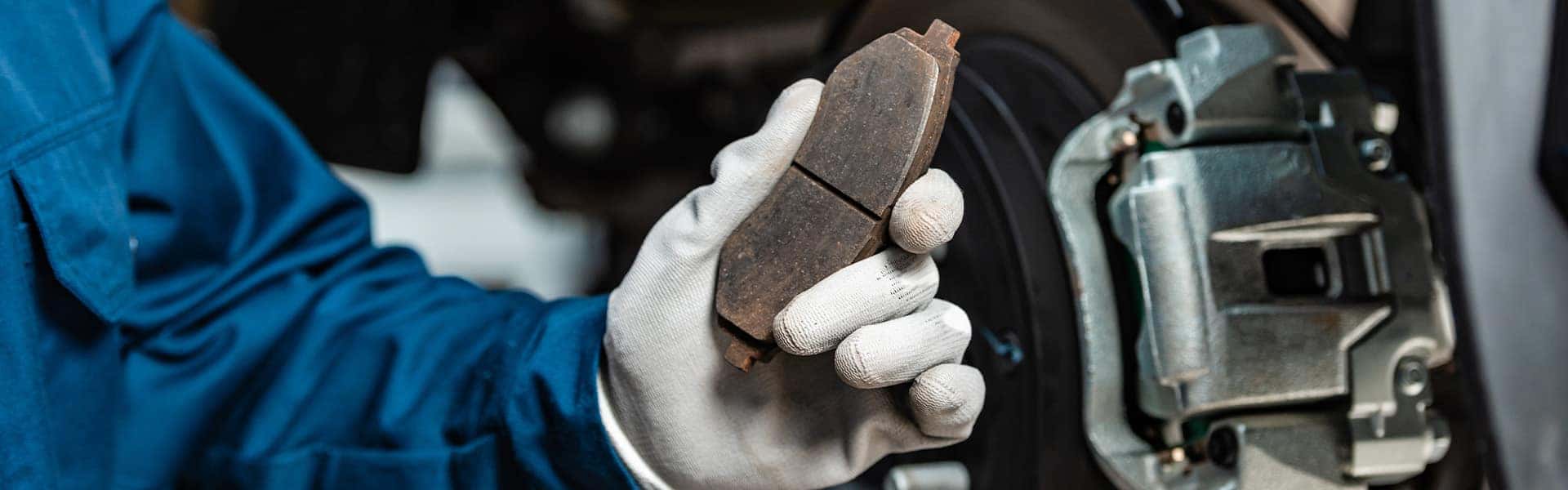
In the world of advanced brake and clutch engineering, understanding how materials interact under pressure, temperature, and velocity is critical for achieving consistent performance. At the core of this interaction is the coefficient of dynamic friction, a measurement that describes how two surfaces behave when in motion. Closely related is the coefficient of sliding friction, which determines how materials resist movement once contact is already established. For engineers, equipment manufacturers, and rebuilders, these values influence product longevity, heat stability, stopping capability, and operational safety.
Different friction coefficient materials respond uniquely under different loads, pressures, and environmental conditions. The friction coefficient between materials determines whether a brake or clutch system can maintain optimal performance in demanding industrial settings such as agriculture, off highway equipment, heavy haulage, marine propulsion, rail transport, construction machinery, and oilfield applications. Manufacturers must carefully assess the coefficient of friction materials used in linings, pads, discs, blocks, and mating surfaces to ensure consistent reliability.
At ProTec Friction Group, we specialize in high performance friction solutions engineered for maximum efficiency and durability. Since 1988, we have been developing advanced friction formulations that balance stability, strength, heat resistance, and environmental responsibility. Our engineers work closely with OEMs, rebuilders, and equipment dealers to tailor friction systems to the specific torque loads, braking demands, and lifecycle expectations of each application.
What Is the Coefficient of Friction
The coefficient of friction is a dimensionless value that represents the resistance created when two objects slide against one another. It is central to the performance of any braking or clutching system. In simple terms, it explains how easily or how strongly a material pair holds, grips, or resists movement.
There are two primary types of friction coefficients:
1. Static Coefficient of Friction
This value determines how much force is needed to initiate movement between two stationary surfaces. While not the focus of most brake and clutch performance discussions, it influences initial engagement characteristics.
2. Dynamic or Sliding Coefficient of Friction
Once movement begins, brakes and clutches rely on the dynamic friction level to maintain controlled and predictable performance. A stable dynamic value ensures smooth engagement, precise stopping, and controlled torque transmission.
In high performance brake and clutch systems, the dynamic coefficient of friction often matters most because it directly affects operational outcomes in real time.
Why the Coefficient of Dynamic Friction Matters in Brake and Clutch Applications
The coefficient of dynamic friction determines how a brake system slows a load or how a clutch transmits torque. Fluctuations in this value can result in poor braking response, slipping, chatter, noise, excessive wear, or overheating.
Key performance factors influenced by dynamic friction include:
- Braking and stopping distance
- Torque capacity and power transfer
- Temperature stability under continuous use
- Smoothness of engagement
- Fade resistance under heavy or repeated loads
- Wear pattern and disc longevity
If the dynamic friction coefficient remains stable across different temperatures, pressures, and speeds, the brake or clutch system performs consistently and safely. However, in low quality or mismatched materials, this coefficient can spike or drop unpredictably, leading to reduced control or premature component failure.
Variables That Affect the Coefficient of Sliding Friction
The sliding friction coefficient is not fixed. It changes based on multiple operational and environmental factors.
1. Contact Material
Different materials create different friction behaviors. Composite friction materials, ceramic blends, metallic surfaces, and fiber reinforced compounds each offer unique performance curves.
2. Surface Roughness
A smoother surface may lower friction, while a rougher surface offers more resistance. Brake and clutch manufacturers frequently engineer surface textures to achieve predictable results.
3. Temperature
Heat is one of the most influential factors. Excessive temperatures can:
- Reduce friction stability
- Glaze friction surfaces
- Accelerate wear
- Cause fade or slippage
Advanced formulations help maintain friction values at high temperatures.
4. Pressure and Load
Higher loads increase friction values until the material reaches a saturation point. At extreme pressures, some materials lose integrity or stability.
5. Lubricants and Contaminants
Oils, moisture, hydraulic fluid leaks, or environmental contaminants can drastically reduce the coefficient of friction.
Importance of Understanding the Friction Coefficient Between Materials
Complex industrial systems often involve multiple material pairings. A friction material must work harmoniously with the mating surface, often made of steel, cast iron, alloyed metals, or composite materials.
Understanding the friction coefficient between materials helps ensure:
- Correct torque transmission
- Longer component lifespan
- Predictable heat behavior
- Reduced maintenance intervals
- Lower lifecycle cost
This is why ProTec Friction Group engineers and formulators often work directly with manufacturers to test and optimize friction pairings during the product development phase.
Types of Friction Coefficient Materials Used in Commercial and Industrial Applications
Friction materials are not one size fits all. Different environments require different friction behaviors. At ProTec, our engineers select or custom formulate the material based on torque, thermal load, pressure sensitivity, environment, and cycle duration.
Major material types include:
- Organic Composite Friction Materials
Made from cellulose, aramid fibers, and resins. Ideal for moderate load applications with consistent performance. - Semi Metallic Materials
Contains metal fibers and powders for stronger heat dissipation and higher friction stability. - Fully Metallic Materials
Used in heavy industrial systems needing extreme durability and heat resistance. - Ceramic and Advanced Fiber Friction Materials
Excellent for high energy braking, high temperature stability, and extended duty cycles. - Graphitic and Carbon Based Formulations
Used in specialty applications with rapid cooling needs and low wear characteristics.
ProTec’s unique advantage lies in our ability to blend materials into proprietary formulas tailored for specific industries and equipment types.
How ProTec Engineers High Performance Friction Solutions
Our design philosophy is based on technical precision, real world testing, and deep understanding of operational requirements.
1. Scientific Formulation Strategy
Every friction material is engineered through analytical modeling, fiber selection, resin optimization, and alloy balancing.
2. Real Environment Testing
We replicate actual working conditions, such as:
- Continuous braking under heavy loads
- Clutch engagement during high torque events
- Contaminant exposure
- High humidity environments
- Off highway debris and dust circulation
3. Heat Dissipation and Fade Resistance Tuning
ProTec focuses on minimizing fade, improving heat rejection, and maintaining stable friction levels across continuous use cycles.
4. Mating Surface Optimization
We incorporate alloyed or specialty surface coatings to enhance friction stability and minimize component wear.
5. Lifecycle Cost Reduction
Our goal is not only to improve performance but also to extend service life and reduce the total cost of ownership for customers.
Industry Applications That Demand Precision Friction Coefficients
ProTec Friction Group is a leader across specialized markets where friction materials must perform under extreme pressure and environmental challenges. These include:
- Agriculture machinery
- Industrial braking systems
- Marine propulsion and deck machinery
- Mining and heavy construction equipment
- Oilfield equipment
- Off highway transport
- Light and heavy rail systems
- Assembly line manufacturing systems
- Material handling equipment
Each environment presents different torques, speeds, temperatures, and contamination risks. ProTec customizes formulations to perform optimally in each setting.
Selecting the Right Coefficient of Friction Materials
Choosing the correct friction material is essential for reliability and safety. Consider the following factors:
Operating Temperature
What is the normal and peak temperature range during use?
Load and Torque Requirements
What forces must the friction system withstand?
Duty Cycle
Is the application intermittent, constant, or high frequency?
Environmental Conditions
Will the material encounter water, dust, oils, or chemicals?
Mating Surface Material
Does the surface pair well with the friction lining or disc?
Maintenance Requirements
Do customers require extended service intervals, quick swap parts, or minimal shutdown time?
ProTec provides consultation to identify the ideal material with the correct coefficient of friction for any application.
Advancements in Friction Materials Technology
As industries transition toward greener, more energy efficient systems, friction technologies must evolve. Several trends are shaping the next generation of friction solutions:
- Low noise and vibration materials
- Lining materials with reduced particulate emissions
- Heat stabilized fibers for high temperature durability
- Eco friendly resins and binders
- Longer lasting materials designed to lower carbon footprint
- Advanced alloy mating surfaces that reduce wear
As a leader in the friction industry, ProTec is advancing these technologies while staying committed to safety, reliability, and sustainability.
ProTec’s Commitment to Innovation and Customer Partnership
Our mission extends beyond supplying friction parts. We believe in building long term partnerships based on transparency, trust, and collaboration.
ProTec provides:
- Custom formulated friction materials
- Rapid product development
- On site testing and evaluation
- Technical engineering support
- Supply chain and manufacturing expertise
- Environmentally conscious solutions
Since 1988, our team has been dedicated to delivering real world value through engineering excellence.
Conclusion
Understanding the coefficient of friction, especially the coefficient of dynamic friction and coefficient of sliding friction, is essential for designing safe and reliable brake and clutch systems. Friction coefficient materials must be selected and engineered with precision to ensure stability, longevity, and efficiency in demanding industrial environments.
ProTec Friction Group continues to lead the industry by offering highly specialized friction solutions tailored to the unique needs of our customers. Whether you require improved torque capacity, lower wear, heat stabilized formulations, longer service life, or a custom friction material designed from the ground up, our experts are here to help.
Contact ProTec today to discuss your next friction challenge and learn how our advanced materials can optimize your braking and clutch performance while reducing lifecycle costs.