
Understanding the Coefficient of Friction in High Performance Brake and Clutch Materials
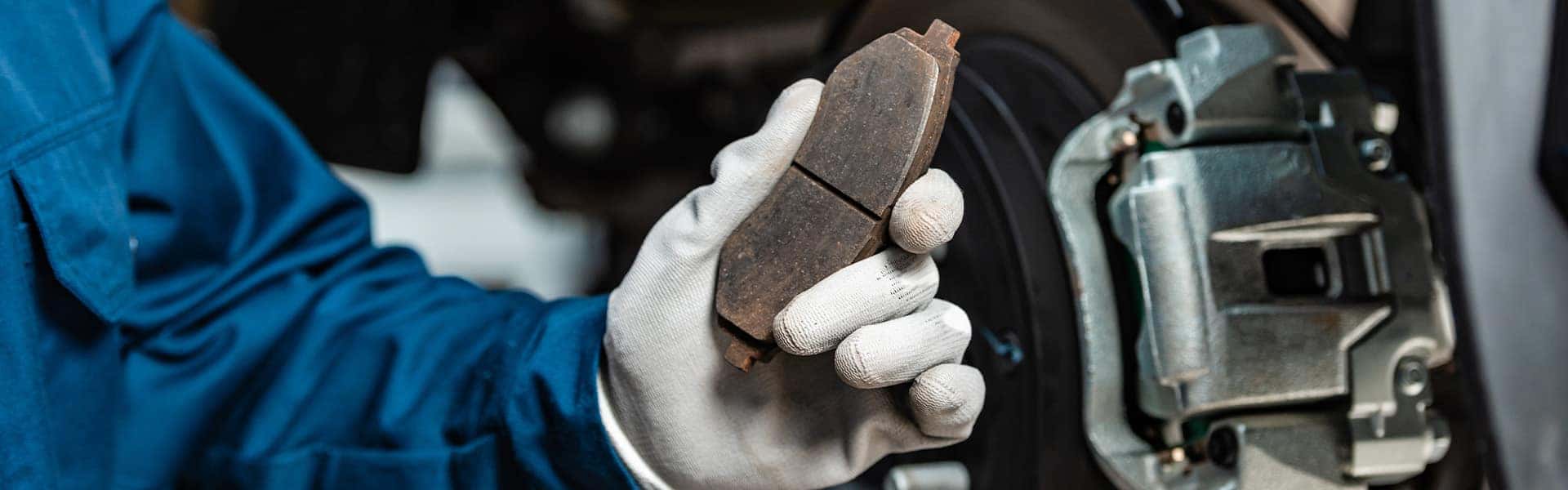
In the world of advanced brake and clutch engineering, understanding how materials interact under pressure, temperature, and velocity is critical for achieving consistent performance. At the core of this interaction is the coefficient of dynamic friction, a measurement that describes how two surfaces behave when in motion. Closely related is the coefficient of sliding friction, which determines how materials resist movement once contact is already established. For engineers, equipment manufacturers, and rebuilders, these values influence product longevity, heat stability, stopping capability, and operational safety.
Different friction coefficient materials respond uniquely under different loads, pressures, and environmental conditions. The friction coefficient between materials determines whether a brake or clutch system can maintain optimal performance in demanding industrial settings such as agriculture, off highway equipment, heavy haulage, marine propulsion, rail transport, construction machinery, and oilfield applications. Manufacturers must carefully assess the coefficient of friction materials used in linings, pads, discs, blocks, and mating surfaces to ensure consistent reliability.
At ProTec Friction Group, we specialize in high performance friction solutions engineered for maximum efficiency and durability. Since 1988, we have been developing advanced friction formulations that balance stability, strength, heat resistance, and environmental responsibility. Our engineers work closely with OEMs, rebuilders, and equipment dealers to tailor friction systems to the specific torque loads, braking demands, and lifecycle expectations of each application.
What Is the Coefficient of Friction
The coefficient of friction is a dimensionless value that represents the resistance created when two objects slide against one another. It is central to the performance of any braking or clutching system. In simple terms, it explains how easily or how strongly a material pair holds, grips, or resists movement.
There are two primary types of friction coefficients:
1. Static Coefficient of Friction
This value determines how much force is needed to initiate movement between two stationary surfaces. While not the focus of most brake and clutch performance discussions, it influences initial engagement characteristics.
2. Dynamic or Sliding Coefficient of Friction
Once movement begins, brakes and clutches rely on the dynamic friction level to maintain controlled and predictable performance. A stable dynamic value ensures smooth engagement, precise stopping, and controlled torque transmission.
In high performance brake and clutch systems, the dynamic coefficient of friction often matters most because it directly affects operational outcomes in real time.
Why the Coefficient of Dynamic Friction Matters in Brake and Clutch Applications
The coefficient of dynamic friction determines how a brake system slows a load or how a clutch transmits torque. Fluctuations in this value can result in poor braking response, slipping, chatter, noise, excessive wear, or overheating.
Key performance factors influenced by dynamic friction include:
- Braking and stopping distance
- Torque capacity and power transfer
- Temperature stability under continuous use
- Smoothness of engagement
- Fade resistance under heavy or repeated loads
- Wear pattern and disc longevity
If the dynamic friction coefficient remains stable across different temperatures, pressures, and speeds, the brake or clutch system performs consistently and safely. However, in low quality or mismatched materials, this coefficient can spike or drop unpredictably, leading to reduced control or premature component failure.
Variables That Affect the Coefficient of Sliding Friction
The sliding friction coefficient is not fixed. It changes based on multiple operational and environmental factors.
1. Contact Material
Different materials create different friction behaviors. Composite friction materials, ceramic blends, metallic surfaces, and fiber reinforced compounds each offer unique performance curves.
2. Surface Roughness
A smoother surface may lower friction, while a rougher surface offers more resistance. Brake and clutch manufacturers frequently engineer surface textures to achieve predictable results.
3. Temperature
Heat is one of the most influential factors. Excessive temperatures can:
- Reduce friction stability
- Glaze friction surfaces
- Accelerate wear
- Cause fade or slippage
Advanced formulations help maintain friction values at high temperatures.
4. Pressure and Load
Higher loads increase friction values until the material reaches a saturation point. At extreme pressures, some materials lose integrity or stability.
5. Lubricants and Contaminants
Oils, moisture, hydraulic fluid leaks, or environmental contaminants can drastically reduce the coefficient of friction.
Importance of Understanding the Friction Coefficient Between Materials
Complex industrial systems often involve multiple material pairings. A friction material must work harmoniously with the mating surface, often made of steel, cast iron, alloyed metals, or composite materials.
Understanding the friction coefficient between materials helps ensure:
- Correct torque transmission
- Longer component lifespan
- Predictable heat behavior
- Reduced maintenance intervals
- Lower lifecycle cost
This is why ProTec Friction Group engineers and formulators often work directly with manufacturers to test and optimize friction pairings during the product development phase.
Types of Friction Coefficient Materials Used in Commercial and Industrial Applications
Friction materials are not one size fits all. Different environments require different friction behaviors. At ProTec, our engineers select or custom formulate the material based on torque, thermal load, pressure sensitivity, environment, and cycle duration.
Major material types include:
- Organic Composite Friction Materials
Made from cellulose, aramid fibers, and resins. Ideal for moderate load applications with consistent performance. - Semi Metallic Materials
Contains metal fibers and powders for stronger heat dissipation and higher friction stability. - Fully Metallic Materials
Used in heavy industrial systems needing extreme durability and heat resistance. - Ceramic and Advanced Fiber Friction Materials
Excellent for high energy braking, high temperature stability, and extended duty cycles. - Graphitic and Carbon Based Formulations
Used in specialty applications with rapid cooling needs and low wear characteristics.
ProTec’s unique advantage lies in our ability to blend materials into proprietary formulas tailored for specific industries and equipment types.
How ProTec Engineers High Performance Friction Solutions
Our design philosophy is based on technical precision, real world testing, and deep understanding of operational requirements.
1. Scientific Formulation Strategy
Every friction material is engineered through analytical modeling, fiber selection, resin optimization, and alloy balancing.
2. Real Environment Testing
We replicate actual working conditions, such as:
- Continuous braking under heavy loads
- Clutch engagement during high torque events
- Contaminant exposure
- High humidity environments
- Off highway debris and dust circulation
3. Heat Dissipation and Fade Resistance Tuning
ProTec focuses on minimizing fade, improving heat rejection, and maintaining stable friction levels across continuous use cycles.
4. Mating Surface Optimization
We incorporate alloyed or specialty surface coatings to enhance friction stability and minimize component wear.
5. Lifecycle Cost Reduction
Our goal is not only to improve performance but also to extend service life and reduce the total cost of ownership for customers.
Industry Applications That Demand Precision Friction Coefficients
ProTec Friction Group is a leader across specialized markets where friction materials must perform under extreme pressure and environmental challenges. These include:
- Agriculture machinery
- Industrial braking systems
- Marine propulsion and deck machinery
- Mining and heavy construction equipment
- Oilfield equipment
- Off highway transport
- Light and heavy rail systems
- Assembly line manufacturing systems
- Material handling equipment
Each environment presents different torques, speeds, temperatures, and contamination risks. ProTec customizes formulations to perform optimally in each setting.
Selecting the Right Coefficient of Friction Materials
Choosing the correct friction material is essential for reliability and safety. Consider the following factors:
Operating Temperature
What is the normal and peak temperature range during use?
Load and Torque Requirements
What forces must the friction system withstand?
Duty Cycle
Is the application intermittent, constant, or high frequency?
Environmental Conditions
Will the material encounter water, dust, oils, or chemicals?
Mating Surface Material
Does the surface pair well with the friction lining or disc?
Maintenance Requirements
Do customers require extended service intervals, quick swap parts, or minimal shutdown time?
ProTec provides consultation to identify the ideal material with the correct coefficient of friction for any application.
Advancements in Friction Materials Technology
As industries transition toward greener, more energy efficient systems, friction technologies must evolve. Several trends are shaping the next generation of friction solutions:
- Low noise and vibration materials
- Lining materials with reduced particulate emissions
- Heat stabilized fibers for high temperature durability
- Eco friendly resins and binders
- Longer lasting materials designed to lower carbon footprint
- Advanced alloy mating surfaces that reduce wear
As a leader in the friction industry, ProTec is advancing these technologies while staying committed to safety, reliability, and sustainability.
ProTec’s Commitment to Innovation and Customer Partnership
Our mission extends beyond supplying friction parts. We believe in building long term partnerships based on transparency, trust, and collaboration.
ProTec provides:
- Custom formulated friction materials
- Rapid product development
- On site testing and evaluation
- Technical engineering support
- Supply chain and manufacturing expertise
- Environmentally conscious solutions
Since 1988, our team has been dedicated to delivering real world value through engineering excellence.
Conclusion
Understanding the coefficient of friction, especially the coefficient of dynamic friction and coefficient of sliding friction, is essential for designing safe and reliable brake and clutch systems. Friction coefficient materials must be selected and engineered with precision to ensure stability, longevity, and efficiency in demanding industrial environments.
ProTec Friction Group continues to lead the industry by offering highly specialized friction solutions tailored to the unique needs of our customers. Whether you require improved torque capacity, lower wear, heat stabilized formulations, longer service life, or a custom friction material designed from the ground up, our experts are here to help.
Contact ProTec today to discuss your next friction challenge and learn how our advanced materials can optimize your braking and clutch performance while reducing lifecycle costs.